
Elite Secure Crypto Wallet That Guarantees Unbeatable Security
In the fast-evolving world of cryptocurrency, security remains the number one priority for investors, traders, and enthusiasts alike. With billions of dollars locked in digital assets worldwide, the risk of hacks, scams, and thefts is higher than ever. This brings us to a crucial piece of the crypto puzzle, the secure crypto wallet. But what makes a wallet truly elite and unbeatable in security? How can you choose the best crypto wallet for 2025 that suits your needs? This comprehensive guide dives deep into everything you need to know about elite secure crypto wallet and how they safeguard your digital fortune.
Whether you’re a beginner just stepping into the crypto space or an intermediate investor looking to upgrade your wallet security, this post is designed to give you clear, practical insights. Plus, we’ll touch on exciting concepts like cold wallets, hot wallets, hardware wallets, and decentralized wallets, all while ensuring you understand why your crypto wallet security should never be compromised.
Why a Secure Crypto Wallet Matters in 2025
As cryptocurrency adoption surges, the sophistication of cyber threats follows suit. Recent headlines reveal millions lost due to phishing attacks, exchange breaches, and wallet hacks. The reality? Your secure crypto wallet is your gateway to digital assets and, if compromised, can lead to irreversible losses.
Moreover, with the rise of DeFi (Decentralized Finance) and Web3 technologies, control over your private keys and wallet security has never been more critical. Unlike traditional banking, crypto transactions are irreversible and public on the blockchain. This amplifies the need for a wallet that is not only secure but also user-friendly and reliable.
Key Terms You Should Know
Before we dive deeper, let’s clarify some foundational terms:
- Blockchain: A decentralized digital ledger that records transactions across many computers securely.
- DeFi: Decentralized Finance, financial services built on blockchain technology without intermediaries.
- Web3: The next evolution of the internet that emphasizes decentralization, blockchain, and token-based economics.
- Private Key: A secret cryptographic key that grants ownership and access to crypto funds.
- Cold Wallet: A wallet not connected to the internet, offering high security.
- Hot Wallet: A wallet connected to the internet, offering convenience but higher risk.
- Hardware Wallet: A physical device that stores private keys offline.
- Mobile Wallet: A smartphone application for managing crypto assets.
What is a Secure Crypto Wallet?
A secure crypto wallet is a wallet that provides robust protection against unauthorized access, theft, and loss while maintaining ease of use. It employs cutting-edge encryption, multi-factor authentication, backup options, and often integrates cold storage to ensure that your private keys remain safe at all times.
Types of Crypto Wallets and Their Security Features
1. Cold Wallets: The Ultimate Fortress
Cold wallets are completely offline wallets, disconnected from any internet connection. This drastically reduces vulnerability to hacking attempts.
- Examples: Hardware wallets like Ledger Nano X, Trezor Model T.
- Pros:
- Highest security level.
- Immune to online hacks and malware.
- Cons:
- Less convenient for frequent transactions.
- Risk of physical loss or damage.
2. Hot Wallets: Convenience Meets Risk
Hot wallets are connected to the internet and are popular for daily transactions.
- Examples: MetaMask, Trust Wallet, exchange wallets.
- Pros:
- Easy access and quick transactions.
- Often integrate with DeFi apps.
- Cons:
- Higher susceptibility to phishing and hacking.
- Requires careful management of security protocols.
3. Hardware Wallets: The Best Crypto Wallet 2025 Choice?
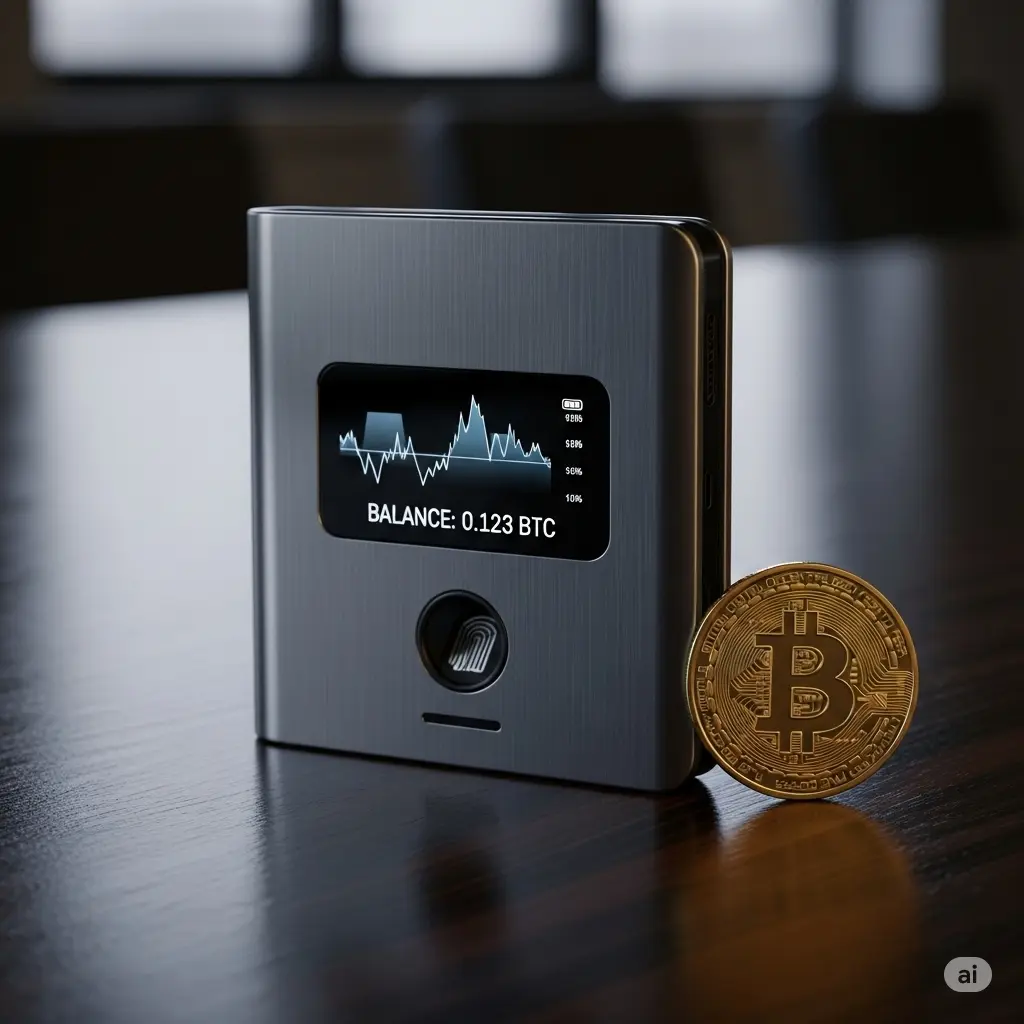
Hardware wallets combine cold storage security with user-friendly interfaces. They store private keys offline on a physical device, typically requiring PIN codes and confirmation buttons.
- Popular hardware wallets: Ledger, Trezor, BitBox.
- Security features:
- Encrypted private keys.
- Physical confirmation for transactions.
- Backup seed phrases for recovery.
4. Mobile Wallets: Crypto on the Go
Mobile wallets are smartphone apps that allow easy management of crypto funds.
- Examples: Coinbase Wallet, Trust Wallet.
- Security considerations:
- Use biometric authentication.
- Enable two-factor authentication (2FA).
- Keep device software up to date.
Deep Dive: What Makes a Crypto Wallet Secure?
When searching for the best crypto wallet 2025, consider these critical security features:
Private Key Control
Your private key is the heart of crypto wallet security. A secure wallet ensures:
- You own and control the private keys (non-custodial).
- Private keys are stored encrypted and offline (cold storage).
- You can back up your wallet safely through seed phrases.
Multi-Factor Authentication (MFA)
This adds an extra layer of protection by requiring multiple verification methods (password, fingerprint, hardware token).
Encryption Standards
Look for wallets that use AES-256 encryption or higher to protect sensitive data.
Backup and Recovery Options
A good wallet allows you to create wallet backups (usually a mnemonic seed phrase) that can restore your funds if your device is lost or damaged.
Open-Source Code and Transparency
Open-source wallets allow the community to review the code, ensuring there are no hidden backdoors or vulnerabilities.

Global Crypto Sports and Crypto Wallet Security: What’s the Link?
At Global Crypto Sports, we focus not only on breaking crypto news but also on educating users about the critical intersection of security and crypto adoption. As cryptocurrencies integrate into everyday sectors like sports sponsorship, betting, and fan tokens, secure wallets become a necessity to protect new forms of digital wealth.
For instance, sports fans purchasing NFTs or fan tokens require a secure wallet to hold these assets safely. The rise of blockchain-based sports betting platforms also emphasizes wallet security to avoid fraud and unauthorized access.
Pros and Cons of Using an Elite Secure Crypto Wallet
| Pros | Cons |
|---|---|
| Unbeatable security protects assets | May require technical know-how |
| Control over private keys and funds | Physical hardware wallets can be lost/damaged |
| Supports decentralized finance applications | Cold wallets have slower transaction speeds |
| Backup and recovery features | Hot wallets are more vulnerable to hacks |
| Increased trust in digital asset management | Potential cost for hardware wallets |
Risks and How to Mitigate Them
Even the most secure wallets have risks:
- Phishing attacks: Always verify URLs and avoid clicking suspicious links.
- Loss of seed phrase: Store backups in multiple secure locations.
- Device theft: Use strong passwords and enable biometric locks.
- Malware: Keep devices clean and updated.
- Human error: Double-check addresses before sending funds.
Actionable Advice for Beginners and Intermediate Crypto Investors
For Beginners:
- Start with a hardware wallet for long-term storage.
- Use mobile wallets for small, everyday transactions.
- Never share your private key or seed phrase.
- Regularly update wallet software.
For Intermediate Investors:
- Diversify assets across multiple wallets.
- Explore decentralized wallets to maintain full control.
- Use multi-signature wallets for enhanced security.
- Stay informed about new wallet security features and updates.
Frequently Asked Questions (FAQs)
1. What is the difference between a cold wallet and a hot wallet?
A cold wallet is offline, offering high security but less convenience. A hot wallet is online, convenient for transactions but more vulnerable to hacks.
2. Can I recover my crypto if I lose my hardware wallet?
Yes, if you have securely stored your wallet’s backup seed phrase, you can recover your funds on a new device.
3. Are mobile wallets safe to use?
Mobile wallets can be safe if you use strong authentication, keep your phone secure, and use reputable wallet apps.
4. What makes a wallet ‘decentralized’?
A decentralized wallet means you control your private keys without intermediaries or custodians, reducing third-party risk.
5. Is it necessary to use a hardware wallet if I have a mobile wallet?
For large or long-term holdings, hardware wallets are recommended due to their superior security.
6. How do I choose the best crypto wallet for me?
Consider your usage patterns (frequent vs. long-term), security preferences, supported cryptocurrencies, and budget.
7. What is wallet backup and why is it important?
Wallet backup involves saving a mnemonic seed phrase that allows recovery of your wallet if your device is lost, stolen, or damaged.
Conclusion: Secure Your Crypto Future Today
In the ever-changing landscape of cryptocurrencies, your secure crypto wallet is your strongest line of defense. A secure crypto wallet guarantees unbeatable security, protecting your assets against theft, loss, and hacks. Whether you choose a cold wallet, a hardware wallet, or a trusted mobile wallet, understanding the security features and best practices is essential.
Stay informed by following Global Crypto Sports for the latest news, tips, and security updates in the crypto world. Remember, investing wisely means safeguarding your investments first.
Take action today: Evaluate your current wallet, upgrade your security measures, and never compromise on your crypto wallet security!
About The Author
