
Secure Crypto Wallet | Superior Protection You Can Trust
In today’s rapidly evolving digital economy—where cryptocurrency adoption is booming across sports endorsements, online betting, NFTs, and decentralized finance (DeFi)—the question isn’t whether you need a crypto wallet, but how to ensure it’s secure. As crypto usage expands globally, Global Crypto Sports readers face rising threats from hacks, phishing, and human error. A Secure Crypto Wallet offers “Superior Protection You Can Trust,” safeguarding your investments, whether you’re buying digital tickets to sports events or holding tokens for Web3 fan experiences.
Understanding Key Crypto-related Terms
Before diving deeper, let’s clarify some fundamental terms that will help you grasp wallet security:
- Blockchain – A decentralized ledger where all crypto transactions are recorded in blocks and linked together.
- DeFi (Decentralized Finance) – Financial services like lending, borrowing, and trading are offered on blockchain networks without traditional intermediaries.
- Web3 – The next generation of the internet, built on decentralized protocols, enabling trustless interactions among participants.
- Seed Phrase – A list of 12–24 words generated by your wallet that serves as a master key to restore access to your crypto.
- Hot Wallet – A crypto wallet connected to the internet (e.g., mobile or web wallets); convenient but typically more vulnerable.
- Cold Wallet – A wallet completely offline (e.g., hardware devices or paper storage); more secure from online attacks.
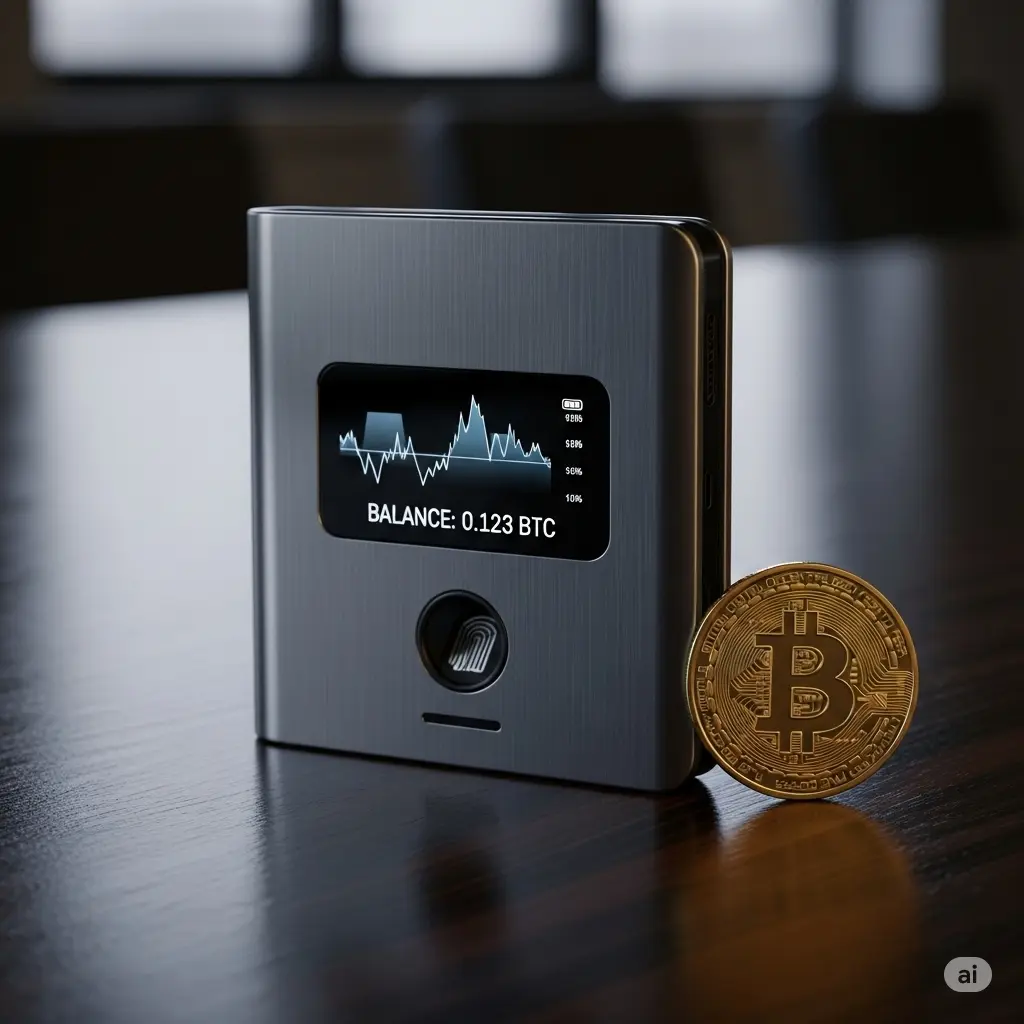
- Hardware Wallet – A specialized physical device (like Ledger or Trezor) that stores your crypto keys offline.
- Mobile Wallet – An app on your smartphone that lets you manage crypto, easy to use but less secure than cold options.
- Decentralized Wallet – A wallet where you control the private keys; no central authority can access your funds.
- Wallet Backup – A recovery method (like a seed phrase) stored safely to restore access if something goes wrong.
Why Secure Crypto Wallet Matters—And Why Now
Crypto’s growing integration into the sports world—from athlete-branded NFTs to crypto-sponsored jerseys—has attracted mainstream attention. As Global Crypto Sports readers, you’re part of a community engaging with these new assets. But with the rise of headlines like:
- “Hundreds of millions stolen in crypto exchange hack”
- “User loses life savings after wallet seed phrase exposure”
…it’s crystal-clear: securing your wallet isn’t optional—it’s essential.
Cybercriminals are savvy, fan communities are targets, and even tiny mistakes—like storing your seed phrase on your phone—can be devastating. That’s why “Secure Crypto Wallet” should be your baseline, not a luxury.
Breakdown of Secure Crypto Wallets
Types of Crypto Wallets & Their Security Profiles
Hot Wallets
- Mobile Wallets (e.g., Trust Wallet, MetaMask Mobile):
- Pros: Super convenient, user-friendly, great for quick trades and fast access.
- Cons: Internet-connected ⇒ higher risk of phishing, malware, SIM swap attacks.
- Best for: Day-to-day transactions, small crypto amounts.
Hot Wallets Continued
- Web/Desktop Wallets (e.g., MetaMask browser extension, Electrum):
- Pros: Feature-rich, easy to connect to DeFi and Web3 apps.
- Cons: Prone to browser-based threats, can expose private keys if your device is compromised.
Cold Wallets
- Hardware Wallets:
- Pros: Keys stored offline, immune to online hacks, and often feature secure elements and PINs.
- Cons: Higher upfront cost, slightly less convenient (you must connect physically or via USB/Bluetooth).
- Best for: Larger holdings, long-term storage, institutional-level security.
- Paper Wallets / Offline (Air-gapped) Wallets:
- Pros: Highly secure by nature (can’t be hacked remotely), ultra‑low cost.
- Cons: Easy to damage, lose, or physically steal; not user-friendly for frequent transactions.
Comparing Wallet Types – Which Offers Superior Protection?
Here’s a quick table format, perfect for SEO readability:
| Wallet Type | Security Level | Convenience | Best Use Case |
|---|---|---|---|
| Mobile Wallet | Medium | High | Daily spending, small amounts |
| Web/Desktop Wallet | Medium | High | Quick trading, DeFi access |
| Hardware Wallet | Very High | Medium-Low | Large savings, long-term storage |
| Paper/Air-gapped | Very High | Low | Cold storage, minimal interaction |
Bolded terms like hardware wallet, hot wallet, cold wallet, and seed phrase draw attention to key SEO targets.
Real‑World Examples & Case Studies
Case Study 1: A Pro Athlete’s NFT Drop Gone Wrong
A professional basketball player released a limited-edition NFT via their mobile wallet, storing the wallet’s seed phrase as a note on their phone. Within an hour, a phishing scam compromised access, resulting in permanent loss. This underscores the critical role of wallet type and seed phrase security.
Case Study 2: The Institutional Crypto Holder
A sports franchise investor used a hardware wallet to store millions worth of crypto. They backed up the seed phrase offline, used a PIN, and sent funds only during secure Wi-Fi sessions. As a result, even when targeted by cyber attacks, their funds remained secure.
These scenarios highlight real differences between wallet types and how crypto wallet security can make or break your holdings.

Benefits, Risks, and Pros & Cons – A Closer Look
Benefits of Using a Secure Crypto Wallet:
- Control – As holder of the private keys, you have full ownership.
- Protection from Hacks – Cold wallets shield you from online threats.
- Peace of Mind – Knowing your wallet is robust makes tracking investments easier and safer.
Potential Risks & Downsides:
- Loss of Seed Phrase – Without your seed phrase, you lose access completely.
- Physical Damage or Theft – Especially relevant for hardware or paper wallets.
- User Error – Sending to the wrong address, falling for phishing, or mixing up wallet types.
Pros and Cons Summary:
Cold Wallet (Hardware/Paper)
- Pros: High security, offline storage
- Cons: Less convenient, potential physical loss
Hot Wallet (Mobile/Web/Desktop)
- Pros: Easy access, fast transactions
- Cons: Internet exposure, higher vulnerability
Actionable Advice for Beginners and Intermediate Investors
Whether you’re just starting or have a modest portfolio, these steps will help you secure your assets:
- Choose the Right Wallet Type:
- Small daily usage → go with a mobile wallet.
- Long‑term storage → opt for a hardware wallet—or consider a hybrid approach.
- Set Up & Back Up Your Seed Phrase Properly:
- Always write your seed phrase on paper.
- Store it in a secure, fire-resistant place.
- Consider using a metal backup for added durability.
- Use Strong PINs and Passphrases on hardware devices.
- Stay Vigilant Against Phishing:
- Never click unknown links.
- Always verify official wallet URLs.
- Bookmark legitimate sites.
- Diversify Your Storage:
- Split funds between cold and hot wallets based on risk.
- Keep emergency funds accessible while long-term holdings go offline.
- Keep Your Wallet Updated:
- For mobile/web wallets, install updates promptly to avoid security vulnerabilities.
- Practice Recovery:
- Test restoring your wallet from your seed phrase before you store large amounts.
- Educate & Stay Informed:
- Follow trusted sources like Global Crypto Sports for crypto wallet security news and tips.
Frequently Asked Questions (FAQ)
- What is the “best crypto wallet 2025”?
The “best” depends on your needs. For maximum security, a hardware wallet is top (e.g., Ledger, Trezor). For ease, a mobile or hot wallet works. A hybrid of both gives a balance between convenience and protection. - What’s the difference between a hot wallet and a cold wallet?
- A hot wallet connects to the internet (e.g., mobile/apps)—great for frequent use.
- A cold wallet stays offline (e.g., hardware/device)—safer from hacks.
Always match your wallet to your security comfort level.
- How do I keep my seed phrase safe?
- Write it on paper or stainless steel.
- Store it in a secure, hidden location (safe deposit box, home safe).
- Never store it digitally unless heavily encrypted.
This is your lifeline if your wallet is lost.
- Can I recover funds if I lose my hardware wallet?
Yes—if you have your seed phrase, you can restore the wallet on a new device. That’s why wallet backup is essential. - What is a decentralized wallet, and why is it important?
A decentralized wallet gives you full control of your private keys—no company holds your funds. Greater privacy and autonomy—but also full responsibility. - Is a mobile wallet safe to keep large crypto amounts?
Generally no. Mobile wallets offer convenience but also increased risk. Best to keep only small, active amounts there. - What steps can I take to protect my crypto wallet from hacks?
- Use cold storage for large holdings.
- Secure seed phrases and backups offline.
- Apply PINs, strong passwords, and stay updated.
- Beware of phishing and use official wallet sources only.
Leveraging Secure Crypto Wallet
Let’s naturally incorporate important LSI and semantic keywords:
- “Global Crypto Sports”, your trusted news source, advises regular readers to expect crypto wallet security as a top concern.
- The best crypto wallet 2025 isn’t about bells and whistles—it’s the one that balances usability with ironclad protection.
- Whether you’re using a hardware wallet, mobile wallet, or other cold/hot storage, understanding seed phrase management and performing wallet backup ensures safety.
- A decentralized wallet emphasizes self-custody—no centralized party can seize your funds.
- From phishing defenses to dusting attacks—crypto wallet security is an evolving field, and ongoing vigilance is critical.
Conclusion
In 2025’s fast-evolving crypto landscape—fueled by Web3, DeFi innovations, and momentum in areas like sports sponsorship and NFTs—your wallet is your vault. But not all vaults are equal. A Secure Crypto Wallet isn’t just a cool tagline—it’s a foundational necessity for anyone serious about protecting their digital assets.
- Want convenience and quick access? Combine a small hot/mobile wallet with a low-exposure day‑to‑day balance.
- Want maximum security and peace of mind? Go with a hardware wallet, secure your seed phrase offline, and have a tested wallet backup routine.
Call‑to‑Action: Want the latest on wallet firmware updates, wallet performance comparisons for 2025, or fresh crypto‑security trends? Keep following Global Crypto Sports, share this article with friends, and join the conversation to help others protect their crypto journey.
Invest wisely, choose your wallet smartly, and stay protected—because a secure crypto wallet is protection you can truly trust.
About The Author
