
Travel in 2026 has become more intentional, smarter, and experience-focused than ever before. People are no longer satisfied with rushed sightseeing or overcrowded tourist attractions. Instead, they are looking for meaningful journeys, better value, and deeper cultural connections. Way Fare Weekly helps travelers understand these evolving trends and discover practical ways to travel smarter, safer, and more efficiently while exploring the world.
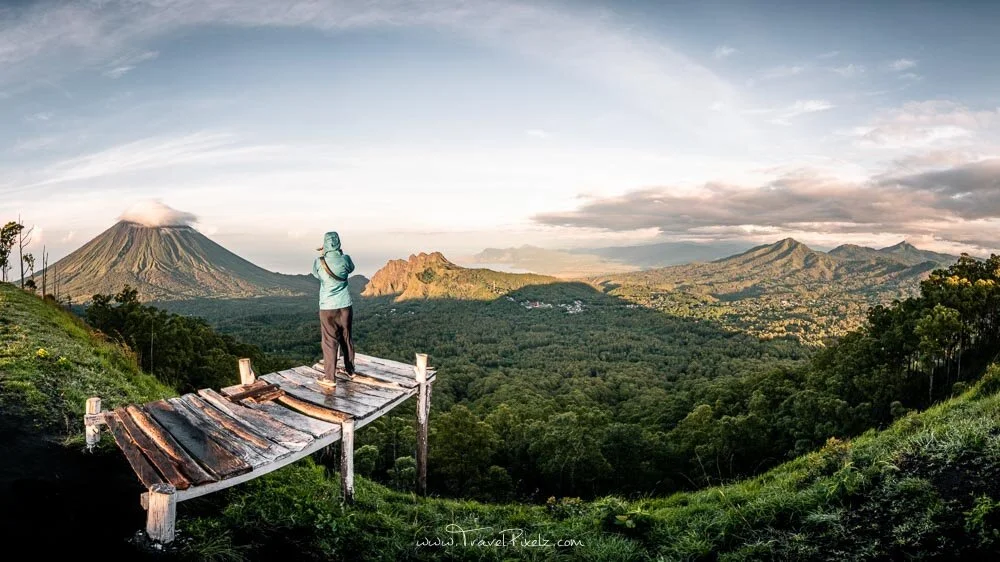
The Transformation of Global Travel Behavior
Modern travel behavior has shifted significantly compared to previous years. Travelers are no longer following fixed vacation patterns that focus only on famous landmarks. Instead, they are prioritizing flexibility, comfort, and authenticity. This change is driven by rising travel costs, digital influence, and a growing desire for more meaningful experiences.
People now prefer spending more time in fewer destinations instead of rushing through multiple countries. This allows them to understand local culture more deeply and avoid the stress of constant movement. Way Fare Weekly has observed that this shift toward slower and more thoughtful travel is becoming one of the strongest global tourism trends.
Another major change is the rise of independent travel planning. Travelers now rely heavily on digital tools to research destinations, compare prices, and design personalized itineraries. This has reduced dependency on traditional travel agencies and given travelers more control over their experiences.
Social media also plays a powerful role in shaping travel decisions. Instead of promoting only popular tourist spots, content creators now highlight hidden destinations, cultural experiences, and budget-friendly travel options. This has encouraged travelers to explore beyond mainstream locations.
Hidden Destinations and the Shift Away From Overcrowding
Overtourism has become a major challenge in many well-known destinations. Crowded streets, rising prices, and reduced authenticity have made some places less enjoyable for travelers. As a result, hidden destinations are gaining popularity worldwide.
Smaller towns, rural regions, and emerging cities are now becoming attractive alternatives. These destinations often offer better cultural experiences, lower costs, and fewer crowds. Travelers can enjoy more peaceful environments while still experiencing rich local traditions.
Southeast Asia’s Emerging Travel Spots
In Southeast Asia, many travelers are now exploring islands, countryside villages, and mountain regions that remain less commercialized. These places offer natural beauty and cultural depth at affordable prices. Way Fare Weekly highlights these destinations because they often provide better value compared to heavily touristized locations.
Eastern Europe’s Rising Popularity
Eastern Europe is also experiencing increased tourism growth. Travelers are discovering historic cities, scenic landscapes, and affordable living costs. These destinations provide strong alternatives to expensive Western European cities while still offering rich cultural experiences.
South America and Adventure Exploration
South America continues attracting adventure travelers interested in hiking, wildlife exploration, and natural landscapes. The region’s diversity makes it one of the most exciting destinations for modern explorers.
Smart Budget Travel Strategies in 2026
Budget travel is no longer about cutting comfort; it is about making smarter decisions. Travelers today focus on optimizing expenses while maintaining quality experiences.
Flight costs remain one of the biggest travel expenses. Flexible travel dates often result in better deals. Midweek flights and off-season travel usually offer lower prices. Way Fare Weekly recommends monitoring price trends before booking to secure the best deals.
Accommodation choices have also evolved. Instead of expensive hotels, travelers now prefer boutique stays, vacation rentals, and local guesthouses. These options often provide better cultural immersion at lower costs.
Transportation and Local Travel Savings
Transportation within destinations plays a major role in overall travel budgets. Many cities now offer efficient public transport systems that are both affordable and convenient. Train networks and shared transport options are also becoming popular among travelers.
Food Budget Optimization
Food expenses can significantly impact travel budgets. Eating in tourist-heavy areas often leads to higher costs, while exploring local neighborhoods provides better food at lower prices. Way Fare Weekly encourages travelers to try local dining experiences to save money and enjoy authentic cuisine.
Technology’s Impact on Modern Travel
Technology has completely transformed how people plan and experience travel. Digital tools now help travelers research destinations, book accommodations, and manage itineraries efficiently.
Artificial intelligence is playing a growing role in travel planning. It helps create personalized recommendations based on preferences, budget, and travel style.
Translation apps are making international travel easier by removing language barriers. Travelers can now communicate more effectively in foreign countries.
Airport systems have also improved with digital check-ins and automated processes that reduce waiting times.
Digital Travel Security Awareness
While technology improves convenience, it also introduces risks. Public Wi-Fi networks and online booking platforms require caution. Travelers must be aware of potential scams and data security threats.
Way Fare Weekly emphasizes the importance of verifying platforms before making payments or sharing sensitive information.
Sustainable Travel and Responsible Tourism

Sustainability has become one of the most important aspects of modern travel. Travelers are becoming more conscious of their environmental and cultural impact.
Eco-friendly accommodations are gaining popularity as they reduce waste and use renewable energy sources. Airlines are also working toward reducing emissions through new technologies.
Supporting local businesses is another important part of responsible travel. It helps communities benefit directly from tourism and preserves cultural heritage.
Ethical Wildlife Tourism
Wildlife tourism is evolving as travelers move away from unethical animal attractions. Conservation-focused tourism and ethical safaris are becoming more popular choices. Way Fare Weekly
Reducing Environmental Impact
Simple actions such as reducing plastic use, choosing reusable travel items, and respecting natural environments contribute to sustainable tourism. Way Fare Weekly strongly promotes responsible travel behavior.
Luxury and Wellness Travel Trends
Luxury travel is shifting away from traditional luxury symbols and moving toward personalized, meaningful experiences.
Wellness tourism is growing rapidly as travelers seek relaxation, mental peace, and health-focused vacations. Spa retreats, meditation centers, and private villas are becoming increasingly popular.
Remote luxury destinations are also attracting travelers who want privacy and exclusivity.
Way Fare Weekly notes that modern luxury is now defined by comfort, personalization, and emotional satisfaction rather than material extravagance.
Travel Safety in the Modern Era
Safety remains a key priority for all travelers. Understanding local laws, cultural expectations, and travel conditions is essential before visiting any destination.
Travel insurance has become more comprehensive, covering medical emergencies, cancellations, and unexpected disruptions. Way Fare Weekly
Digital safety is equally important, as travelers increasingly rely on online platforms for bookings and communication.
Importance of Travel Preparation
Proper preparation helps reduce travel risks. Carrying digital copies of important documents and staying informed about local conditions ensures smoother travel experiences.
Way Fare Weekly advises travelers to always prepare for unexpected situations before starting any journey.
The Future of Global Travel
The future of travel is moving toward personalization, flexibility, and sustainability. Travelers will continue prioritizing experiences over material luxury.
Remote work travel will expand further, allowing people to stay longer in destinations while working online.
Hidden destinations will continue gaining popularity as travelers seek authenticity and peace.
Technology will continue improving travel efficiency, while sustainability will remain a global priority.
Way Fare Weekly believes that travelers who adapt to these changes will enjoy richer, safer, and more meaningful journeys.
Final Thoughts
Travel in 2026 is evolving into a smarter and more conscious experience. Travelers now have more tools, better information, and greater freedom to design their journeys.
From hidden destinations and budget strategies to technology and sustainability, modern travel is becoming more personalized and meaningful.
Way Fare Weekly continues to guide travelers toward better decisions, helping them explore the world more intelligently while creating unforgettable memories that last a lifetime.
About The Author
