
Iran News: Middle East Geopolitics Full Analysis
The topic of Iran News plays a central role in understanding Middle East geopolitics because the region is deeply connected with global politics, energy security, and international diplomacy. Moreover, the Middle East is not only a geographical region but also a strategic hub where global powers interact, compete, and negotiate.
Therefore, when analyzing Middle East geopolitics, Iran becomes one of the most important countries to study. Additionally, Iran’s relationships with neighboring countries and global powers influence stability across the entire region. As a result, Iran News is closely followed by governments, analysts, and media organizations worldwide.
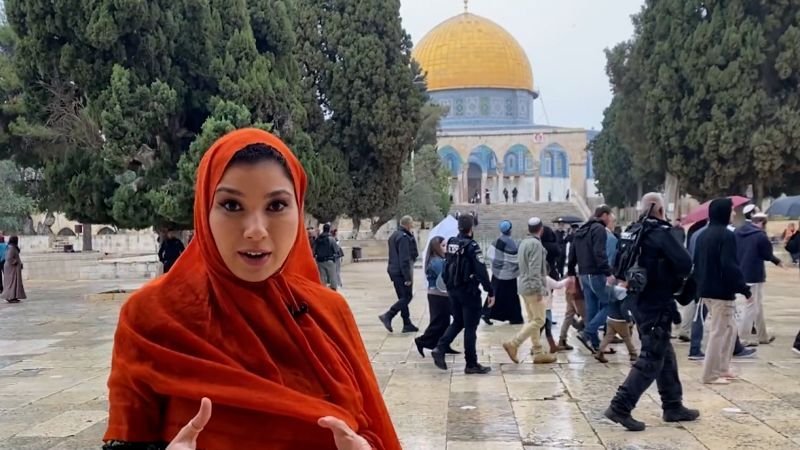
Understanding Middle East Geopolitics
What Is Geopolitics in Simple Terms
Geopolitics refers to how geography, politics, and power influence global relationships. Moreover, it explains how countries interact based on their location, resources, and strategic interests.
Therefore, the Middle East is one of the most important geopolitical regions in the world. As a result, decisions made in this region can affect global stability.
Consequently, Iran News often reflects wider geopolitical shifts beyond Iran itself.
Why the Middle East Is Strategically Important
The Middle East is important for several key reasons. Moreover, it contains major oil and gas reserves that supply global energy markets.
Therefore, global economies depend on stability in this region. Additionally, its location connects Asia, Europe, and Africa, making it a key trade route.
As a result, geopolitical competition in the Middle East is intense and continuous.
Iran’s Role in Middle East Geopolitics
Geographical and Strategic Position of Iran
Iran is located in a highly strategic area of the Middle East. Moreover, it shares borders with several important countries, giving it regional influence.
Therefore, Iran plays a central role in shaping regional political dynamics. As a result, Iran News frequently focuses on its geopolitical actions.
Political System and Foreign Policy Approach
Iran’s political system combines religious leadership with elected institutions. Moreover, its foreign policy is shaped by both ideological and strategic goals.
Therefore, Iran often supports regional alliances that align with its interests. However, it also focuses on national security and independence.
Historical Evolution of Iran’s Geopolitical Role
Before and After the 1979 Revolution
Before 1979, Iran had closer relations with Western countries. Moreover, its foreign policy was more aligned with global powers at the time.
However, after the Islamic Revolution in 1979, Iran’s political direction changed significantly. Therefore, it adopted a more independent and regional-focused approach.
As a result, Iran News began highlighting Iran’s growing regional influence.
Shift in Regional Alliances
After the revolution, Iran developed new regional relationships. Moreover, it began supporting political groups and movements in different countries.
Therefore, its geopolitical influence expanded across the Middle East. However, this also increased competition with other regional powers.
Major Power Centers in Middle East Geopolitics
Iran, Saudi Arabia, and Regional Balance
Iran and Saudi Arabia are two major powers in the Middle East. Moreover, both countries influence regional politics, religion, and economics.
Therefore, their relationship plays a key role in geopolitical stability. As a result, Iran News often highlights their interactions.
However, competition between them also shapes regional dynamics.
Role of Israel in Regional Politics
Israel is another key player in Middle East geopolitics. Moreover, its security concerns and alliances influence regional relationships.
Therefore, Iran and Israel often appear in broader geopolitical discussions. However, their interaction is mostly indirect through regional issues.
United States Influence in the Region
The United States has a long-standing role in Middle East geopolitics. Moreover, it maintains alliances and military presence in several countries.
Therefore, its policies significantly affect regional stability. As a result, Iran News often includes updates on US involvement.
Regional Conflicts and Geopolitical Tensions
Syria Conflict and Strategic Interests
The Syria conflict is a major example of geopolitical competition. Moreover, multiple countries are involved either directly or indirectly.
Therefore, Syria has become a central point in regional strategy. As a result, Iran’s involvement is widely discussed in Iran News.
Iraq and Power Balance
Iraq is another important country in Middle East geopolitics. Moreover, it has strong ties with Iran and other regional powers.
Therefore, Iraq plays a balancing role in regional politics. However, internal challenges also affect stability.
Yemen Conflict and Regional Rivalry
The Yemen conflict reflects broader regional tensions. Moreover, it involves indirect competition between regional powers.
Therefore, it has become a long-term geopolitical issue. As a result, humanitarian and political concerns are both involved.
Energy Politics and Global Influence
Oil and Gas Importance
The Middle East holds some of the world’s largest oil and gas reserves. Moreover, these resources are critical for global energy supply.
Therefore, energy politics is a major part of geopolitics. As a result, Global Muslim News often reports on oil-related developments.
Impact on Global Markets
Any instability in the Middle East affects global markets. Moreover, oil prices can change rapidly due to political tensions.
Therefore, geopolitical stability is important for economic balance. However, uncertainty often remains in the region.
Diplomacy and International Relations
Iran’s Diplomatic Engagements
Iran participates in diplomatic discussions with regional and global powers. Moreover, it seeks to improve relations while protecting national interests.
Therefore, diplomacy plays a key role in its geopolitical strategy. As a result, Iran News frequently covers diplomatic updates.
Role of International Organizations
International organizations also work to maintain peace in the region. Moreover, they encourage dialogue between countries.
Therefore, they play an important role in reducing tensions. However, implementation of agreements can be challenging.
Military Strategy and Security Concerns
Defense and Deterrence Policies
Iran maintains strong defense capabilities as part of its national strategy. Moreover, this is often described as deterrence policy.
Therefore, it aims to prevent external threats. However, it also increases regional sensitivity.
Regional Security Balance
Security balance in the Middle East depends on multiple actors. Moreover, military strategies influence political decisions.
Therefore, stability requires careful management of tensions. As a result, Iran News often highlights security issues.
Economic Dimensions of Geopolitics
Sanctions and Economic Pressure
Economic sanctions are a major factor in Middle East geopolitics. Moreover, they affect trade, banking, and investment.
Therefore, Iran has developed alternative economic partnerships. However, sanctions still impact its global position.
Trade Routes and Connectivity
The Middle East is a key region for global trade routes. Moreover, shipping lanes like the Strait of Hormuz are strategically important.
Therefore, geopolitical stability ensures smooth trade flow. As a result, international attention remains high.
Media Influence on Geopolitical Understanding
Global Media Narratives
Media plays a major role in shaping public understanding of geopolitics. Moreover, different outlets present different perspectives.
Therefore, it is important to analyze information carefully. As a result, Iran News should be verified from reliable sources.
Social Media and Information Flow
Social media spreads information quickly across the world. Moreover, it increases awareness but also spreads misinformation.
Therefore, fact-checking becomes essential. However, rumors can still influence public opinion.
Future of Middle East Geopolitics
Possibility of Regional Cooperation
There is potential for increased cooperation in the future. Moreover, diplomatic efforts continue between regional countries.
Therefore, stability could improve over time. However, challenges still remain.
Changing Global Power Dynamics
Global power dynamics are shifting gradually. Moreover, new alliances are emerging in the Middle East.
Therefore, geopolitical relationships may evolve in the future. As a result, Iran News will continue to reflect these changes.
Conclusion
Iran News related to Middle East geopolitics full analysis shows a complex system of political, economic, and strategic relationships. Moreover, Iran plays a central role in shaping regional dynamics through diplomacy, alliances, and security strategies.
Additionally, the Middle East remains one of the most important geopolitical regions in the world due to its energy resources and strategic location. Therefore, understanding its politics requires careful analysis of multiple factors.
About The Author
