
Crypto Data Online Step Into the World of Blockchain
Traditional financial networks are structurally opaque. When you swipe a debit card or execute a standard stock trade, the transaction travels through private, institutional servers. The ledger remains entirely locked within a bank’s back office.
Public blockchains change this dynamic completely. A blockchain is a globally distributed, open-access, append-only database. Every single transaction, protocol fee, system update, and decentralized asset balance is broadcast in real-time to a public register.
Stepping into the world of blockchain does not require an investment portfolio or a Wall Street background; it requires Crypto Data Online. Knowing how to extract trusted knowledge from these raw network streams allows you to independently audit ecosystems, run your own technical analysis, and build highly practical data analysis skills.
This comprehensive guide serves as your entry point, utilizing free online analytics platforms, open database tools, and structured frameworks to transform raw hex strings into clear, actionable knowledge.
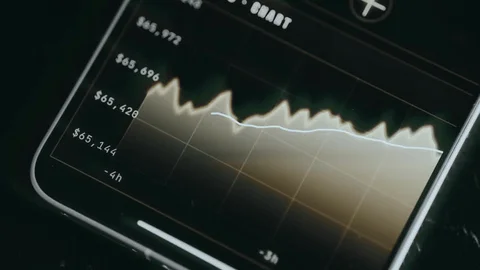
The Blockchain Data Roadmap
Progressing from an absolute beginner to an advanced analyst requires mastering four developmental tiers. The journey starts with basic ledger visibility and finishes with complex database scripting.
┌────────────────────────────────────────────────────────┐
│           THE CORE DATA LITERACY PROGRESSION           │
└───────────────────────────┬────────────────────────────┘
                            │
            [ LEVEL 1: NETWORK EXPLORERS ]
               Auditing Live Block Records
                            │
                            ▼
           [ LEVEL 2: MACRO ENGINE AGGREGATION ]
               Tracking Global System Flows
                            │
                            ▼
           [ LEVEL 3: VISUAL WALLET FORENSICS ]
               Mapping Clustered Financial Webs
                            │
                            ▼
           [ LEVEL 4: RELATIONAL LOGIC (SQL) ]
               Writing Custom On-Chain Pipelines
1. Navigating the Ledger via Network Explorers
The absolute first step into the blockchain data space is utilizing a Block Explorer. Network explorers serve as public, free search engines for decentralized data layers. The most widely referenced instances include Etherscan (for Ethereum), Solscan (for Solana), and BscScan (for BNB Chain).
Instead of using an explorer to check single balance receipts, you can utilize it to audit block health, contract states, and processing costs.
Step-by-Step Block Auditing Sequence
To trace live assets across a public ledger network, apply this sequence:
1.Isolate the Transaction Identifier:Copy the unique network hash.
Obtain the unique 64-character alphanumeric Transaction Hash (TxHash) or target wallet signature from the network log you wish to audit.
2.Search the Active Explorer:Query the public ledger engine.
Paste the string directly into the primary search bar of the corresponding network explorer (e.g., Etherscan.io) to pull the transaction profile.
3.Confirm Blockchain Success:Verify ledger finality status.
Look at the Status field. Make sure it explicitly states Success, which confirms that the validation nodes have permanently written the transaction into a block.
4.Audit Gas Metrics and Paths:Examine computation expenses.
Trace the exact transfer coordinates between the From and To directions. Review the Gas Fee line to see the direct computational price paid to validators to post that entry.
2. Tracking Ecosystem Health: Macro Aggregators
Once you understand individual block entries, you can zoom out to track whole blockchain ecosystems. Macro data aggregators collect vast amounts of live activity and display them in clean, comparative charts.
Multi-Chain Ecosystem Health with DefiLlama
DefiLlama is the gold standard for tracking decentralized protocols because it is entirely free, open-source, and does not run advertisements. When analyzing a specific blockchain, focus on these two core metrics:
- Total Value Locked (TVL): The collective value of all crypto assets deposited directly inside a network’s smart contracts. High TVL signals strong developer activity and deep capital reserves.
- Volume-to-TVL Ratio: This reveals how active those deposited funds are. If a network has deep capital (high TVL) but minimal transaction volume, its assets are sitting idle rather than generating network utility.
Market Capitalization Mechanics via CoinGecko
Price alone does not tell you the true size or value of an asset. To calculate a network’s real footprint, look up its metrics on platforms like Crypto or CoinMarketCap and use this core calculation:
$$\text{Market Capitalization} = \text{Current Price} \times \text{Circulating Supply}$$
Always look at the Fully Diluted Valuation (FDV). The FDV represents the total market capitalization if every token ever planned were actively unlocked and circulating. If a project’s current market cap is low but its FDV is exceptionally high, a vast supply of tokens is locked and waiting to be released. This can create structural selling pressure as new supply hits the open market over time.
3. Advanced Behavioral Analytics and Forensics
Text logs on a block explorer can become confusing when tracking complex activities. Advanced behavioral tools solve this by turning raw, abstract hex numbers into intuitive visual models.
                  ┌──────────────────────┐
                  │ ADDRESS: 0x71C...89A │
                  └──────────┬───────────┘
                             │  (Arkham Profiling)
                             ▼
                  ┌──────────────────────┐
                  │  ENTITY: Coinbase    │
                  └──────────┬───────────┘
                             │  (Bubblemaps Clustering)
                             ▼
         ┌───────────────────┴───────────────────┐
         ▼                                       ▼
 ┌───────────────┐                       ┌───────────────┐
 │ Sub-Wallet A  │◄─────────────────────►│ Sub-Wallet B  │
 └───────────────┘  (Interactive Flows)  └───────────────┘
Entity Profiling via Arkham Intelligence
By default, blockchains use pseudonymous addresses like 0x5A1.... Platforms like Arkham Intelligence solve this by using data modeling to match public addresses with their real-world owners, such as exchanges, institutional funds, and corporations.Crypto
Distribution Auditing with Bubblemaps
To evaluate a project’s safety, you need to know if its tokens are distributed evenly or controlled by just a few holders. Bubblemaps visualizes this asset distribution dynamically.
Each wallet holder is represented as a bubble; the larger the bubble, the more supply that wallet holds. If separate wallets frequently move funds back and forth, Bubblemaps links them together visually. This helps you spot hidden wallet clusters where a single entity might be secretly controlling a dangerous share of the token supply across multiple Crypto .

4. Coding Custom Inquiries via Relational Databases
The highest tier of digital blockchain literacy is the ability to write custom queries using SQL (Structured Query Language). Platforms like Dune Analytics continuously gather raw blockchain events, decode them, and arrange them into structured relational database tables.
Dune is completely open-access. You do not need to write code from scratch; you can browse thousands of community-built dashboards. If you want to customize a chart, you can click “Crypto Query” on any public visualization, copy the underlying SQL code, and adjust the parameters (like changing a contract address or time window) to build a new data pipeline.
Constructing an On-Chain Database Pipeline
For instance, a data science student can query live blockchain ledgers directly. To isolate and list the highest computational fees spent on gas within a specific ecosystem over a past period, an analyst can run this clear SQL architecture inside Dune’s console:
SQL
SELECT
    block_number,
    block_time,
    hash AS transaction_hash,
    gas_used * gas_price / 1e18 AS transaction_fee_eth
FROM
    ethereum.transactions
WHERE
    block_time >= NOW() - INTERVAL '7 days'
ORDER BY
    transaction_fee_eth Crypto
LIMIT 10;
This script targets the raw transaction logs of the network, calculates the total processing cost in Ether, filters the data down to the last 7 days, ranks the transactions from most to least expensive, and isolates the top 10 results—providing a clean, audited dataset in seconds.
Guiding Principles for Self-Directed Learning
- Prioritize Verification Over Trust: Treat social media marketing claims with skepticism. If a project claims massive active user growth, find its contract address and verify the unique transaction counts yourself using Dune or an explorer.
- Utilize Structured Open Courseware: For a deep dive into cryptographic theory, explore university-level massive open online courses (MOOCs). Free options like Princeton University’s Bitcoin and Cryptocurrency Technologies on Coursera focus on fundamental computer science rather than market hype.
- Practice with Zero Real Capital: Crypto Data Online test smart contracts, web apps, or data querying tools with real capital. Configure your browser wallet to a public developer test network, such as Ethereum Sepolia or Solana Devnet. Using free online faucets, you can acquire test tokens to deploy contracts and analyze live transaction data at zero financial risk.
By anchoring your learning process in verifiable public database metrics, you can look past market speculation and build concrete, highly transferable technical skills.
About The Author
