
Crypto Data Online Guide for Smarter Trading Strategies
The cryptocurrency market is one of the most exciting yet volatile financial markets in the world. Prices change rapidly, trends shift unexpectedly, and opportunities can emerge within seconds. For traders, this creates both potential profits and significant risks. To navigate this fast-moving environment successfully, relying on intuition is not enough. Instead, traders must use crypto data online to guide their decisions.
Crypto data online provides real-time insights into price movements, trading activity, and overall market trends. By analyzing this data effectively, traders can develop smarter strategies, reduce risks, and improve their chances of success. Whether you are new to crypto trading or looking to refine your approach, understanding how to use data is essential.
This comprehensive guide explores how crypto data online can help you build smarter trading strategies and achieve better results.
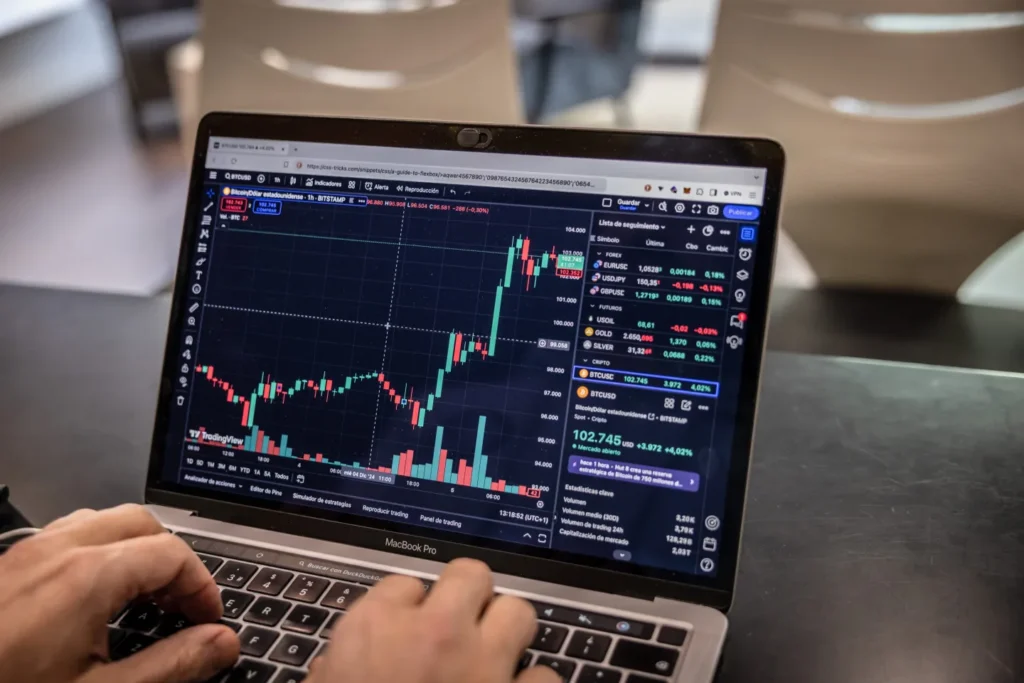
Understanding Crypto Data Online
Crypto data online refers to the continuously updated information collected from cryptocurrency exchanges and blockchain networks. This data reflects how digital assets are performing in real time.
Key types of crypto data include:
- Live cryptocurrency prices
- Trading volume
- Market capitalization
- Circulating supply
- Historical price charts
- Technical indicators
- Order book data
- On-chain analytics
Since cryptocurrency markets operate twenty-four hours a day, this data is always updating. Traders can access the latest information at any time to stay ahead of market changes.
Why Data-Driven Strategies Matter
Trading without data is risky and often leads to poor decisions. Data-driven strategies provide a structured approach to analyzing the market.
Using crypto data online helps traders:
- Identify market trends early
- Confirm trading signals
- Avoid emotional decisions
- Improve timing for trades
- Manage risks more effectively
By relying on accurate data, traders can build consistent and reliable strategies.
Real-Time Price Tracking
The foundation of any trading strategy is monitoring live prices. Cryptocurrency prices reflect the interaction between buyers and sellers. crypto data online
When demand increases, prices rise. When selling pressure increases, prices fall.
Tracking real-time prices helps traders:
- Detect sudden market movements
- Identify breakout opportunities
- React quickly to changes
However, price analysis should always be combined with other indicators for better accuracy.
Analyzing Trading Volume
Trading volume measures how much of a cryptocurrency is traded within a specific timeframe.
Volume is a key indicator of trend strength.
- High volume confirms strong trends
- Low volume suggests weak momentum
For example, a price increase with high volume indicates strong buying interest, while low volume may signal a temporary move.
Combining price and volume analysis helps traders make better decisions.
Understanding Market Capitalization
Market capitalization represents the total value of a cryptocurrency. It is calculated by multiplying the current price by the circulating supply.
Market cap helps traders evaluate the size and stability of different assets.
- Large-cap cryptocurrencies are generally more stable
- Mid-cap assets offer growth potential
- Small-cap assets carry higher risk
Understanding market cap distribution helps traders diversify their portfolios.
Using Price Charts for Analysis
Charts are essential tools for visualizing market data.
Common chart types include:
- Line charts for basic trends
- Bar charts for detailed price data
- Candlestick charts for market sentiment
Candlestick charts are widely used because they show opening, closing, high, and low prices.
Studying chart patterns helps traders anticipate future price movements.
Identifying Market Trends
Recognizing trends is critical for building effective strategies.
There are three main types of trends:
- Uptrend: prices move higher
- Downtrend: prices move lower
- Sideways: prices move within a range
Trading in the direction of the trend increases the probability of success.
Crypto data online platforms make it easy to track trends in real time.
Using Technical Indicators
Technical indicators help traders analyze historical data and predict future movements.
Popular indicators include:
- Moving averages for trend direction
- Relative Strength Index (RSI) for overbought or oversold conditions
- MACD for momentum analysis
Using multiple indicators together improves accuracy and reduces false signals.
Support and Resistance Levels
Support and resistance are key price levels in the market.
Support is where buying pressure prevents prices from falling further.
Resistance is where selling pressure prevents prices from rising higher.
These levels help traders:
- Identify entry points
- Plan exits
- Set stop-loss levels
Breaking these levels often signals strong market movements.

Order Book Analysis
Order books show the list of buy and sell orders on an exchange.
They provide insights into supply and demand at different price levels.
Large buy orders may indicate strong support, while large sell orders can signal resistance.
Order book analysis helps traders understand short-term market behavior.
Market Sentiment and News
Market sentiment reflects the overall attitude of investors.
Positive sentiment leads to increased buying, while negative sentiment leads to selling.
Factors affecting sentiment include:
- News and media coverage
- Regulatory updates
- Technological developments
- Social media trends
Combining sentiment analysis with data provides a complete market view.
On-Chain Data Insights
On-chain data comes directly from blockchain networks.
It includes metrics such as:
- Transaction volume
- Active addresses
- Whale activity
This data helps traders understand real network activity and long-term trends.
For example, increasing wallet activity may indicate growing adoption.
Risk Management Using Data
Risk management is essential for long-term success.
Crypto data online helps traders:
- Set stop-loss orders
- Manage position sizes
- Avoid overexposure
Diversifying investments across multiple assets also reduces risk.
Common Mistakes to Avoid
Many traders make mistakes due to lack of data analysis.
Common mistakes include:
- Relying only on price movements
- Ignoring trading volume
- Overtrading during volatility
- Following hype instead of data
- Making emotional decisions
Avoiding these mistakes improves trading performance.
Building Smarter Trading Strategies
A strong strategy combines multiple data points.
Traders should analyze:
- Price trends
- Volume
- Market cap
- Technical indicators
- Sentiment
Consistency is key. Traders should follow a structured approach and continuously refine their strategies.
The Future of Crypto Data Analysis
Crypto analytics tools are becoming more advanced.
Artificial intelligence and machine learning are helping traders analyze large datasets quickly.
On-chain analytics is also evolving, providing deeper insights into blockchain activity.
As technology advances, data-driven trading will become even more important.
Final Thoughts
Using crypto data online is essential for developing smarter trading strategies. Real-time insights into prices, volume, trends, and sentiment allow traders to make informed decisions.
By combining multiple data points and practicing disciplined risk management, traders can improve their performance and reduce risks.
While the cryptocurrency market remains volatile, data-driven strategies provide a clear advantage. With continuous learning and consistent analysis, traders can navigate the market confidently and achieve long-term success.
About The Author
