
Al Aqsa Times: Palestine Political Issues Guide
Al Aqsa Times has become an important source of discussion for readers searching for detailed information about Palestine’s political issues, the Gaza humanitarian crisis, Middle East tensions, and the ongoing Palestinian struggle for freedom and dignity. Across the world, millions of people now follow developments involving Gaza, Jerusalem, refugee camps, peace negotiations, and Palestinian rights because the conflict continues affecting civilians, families, and future generations.
Understanding the Palestine Political Conflict
Al Aqsa Times: The Historical Background
The political conflict surrounding Palestine has deep historical roots. Before 1948, Palestinian Arabs lived throughout historic Palestine for generations. Cities such as Jerusalem, Gaza, Haifa, Jaffa, and Hebron were important centers of trade, religion, education, and culture.
However, political tensions increased during the British Mandate period because of colonial influence, nationalist movements, and changing demographics. At the same time, Jewish immigration to Palestine increased because of persecution in Europe and the development of Zionist political goals.
As disagreements intensified, violence between Palestinian Arabs and Jewish groups also increased. Consequently, the United Nations proposed a partition plan in 1947 to divide the land into separate states.
Nevertheless, many Palestinians rejected the proposal because they believed it unfairly divided their homeland and ignored the political rights of the Arab population already living there.
Al Aqsa Times: The Nakba and Political Displacement
In 1948, the establishment of Israel led to war and the displacement of hundreds of thousands of Palestinians. Palestinians refer to this event as the Nakba, meaning “catastrophe.”
During this period, many Palestinian villages were emptied or destroyed, forcing families to flee their homes. Consequently, millions of Palestinians became refugees living in Gaza, the West Bank, Jordan, Lebanon, Syria, and many other countries.
Even today, refugee camps remain important symbols of Palestinian displacement and political suffering. Moreover, many families continue preserving house keys, land documents, and memories connected to villages they lost decades ago.
Because of this history, the refugee issue remains one of the most emotional and politically important parts of the Palestinian struggle.
Al Aqsa Times: The Importance of Al Aqsa in Palestinian Politics
Religious Significance
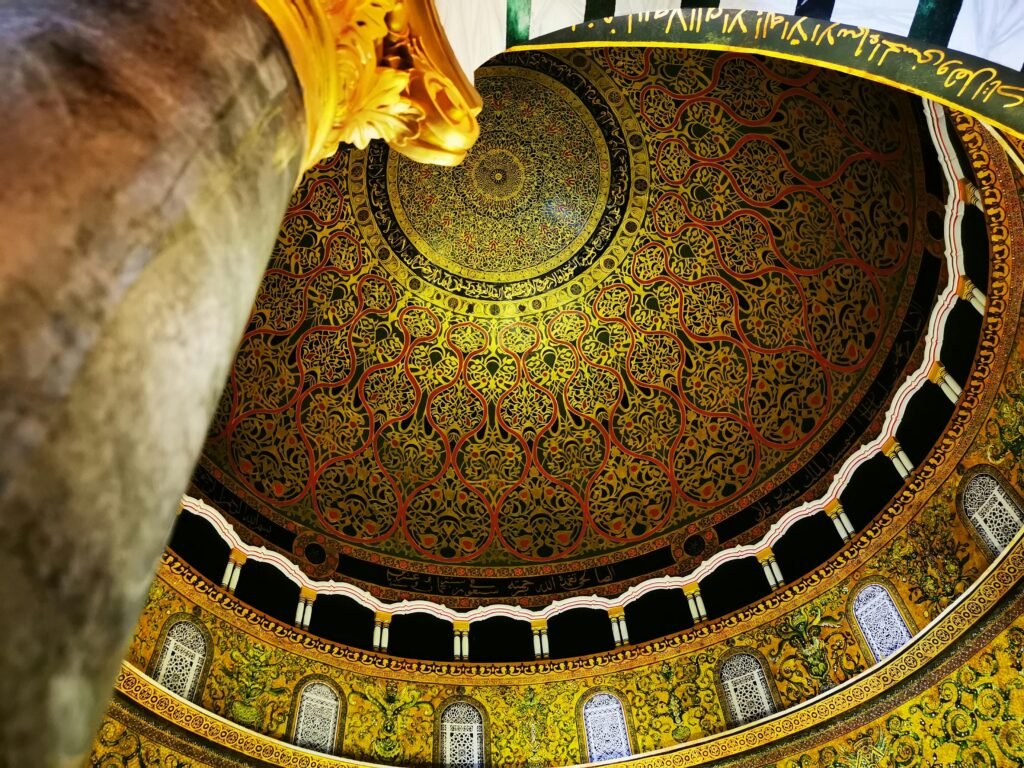
The phrase Al Aqsa Times immediately connects readers to Al Aqsa Mosque in Jerusalem, one of the holiest sites in Islam.
Because of its religious importance, events involving Al Aqsa frequently create emotional reactions across the Muslim world. Whenever tensions increase in Jerusalem, protests and political discussions often spread internationally.
Consequently, Al Aqsa Mosque represents not only spiritual identity but also historical and political significance for Palestinians.
Jerusalem and Political Identity
For Palestinians, Jerusalem represents national identity, heritage, and political dignity. Therefore, many Palestinians believe East Jerusalem should become the capital of a future Palestinian state.
At the same time, Jerusalem remains one of the most disputed political issues in the conflict.
Because of this connection, discussions involving Al Aqsa Times often focus on Palestinian rights, freedom, and sovereignty.
Al Aqsa Times: The Israeli Occupation and Palestinian Territories
The 1967 War and Occupation
One of the biggest political issues in Palestine began after the 1967 war when Israel occupied the West Bank, East Jerusalem, and Gaza.
Although Gaza later came under Palestinian administration, restrictions on movement, trade, and borders continued affecting daily life.
Meanwhile, the West Bank remains heavily influenced by checkpoints, military operations, and settlement expansion.
Consequently, many Palestinians believe they live under occupation without full political freedom or independence.
Restrictions on Movement
Movement restrictions remain one of the most difficult realities for Palestinians living in occupied territories.
Checkpoint systems, border controls, and permit requirements often affect travel for work, education, healthcare, and family visits.
As a result, ordinary civilians frequently face major challenges while trying to maintain normal daily life.
Political Impact on Daily Life
Occupation affects almost every part of Palestinian society, including employment, healthcare, education, and economic growth.
Because of these conditions, many Palestinians argue that political freedom is necessary for social and economic stability.
Al Aqsa Times: The Settlement Issue in Palestine
What Are Settlements?
Israeli settlements are communities built in the occupied West Bank and East Jerusalem.
Palestinians argue that settlement expansion reduces land available for a future Palestinian state. Consequently, settlements remain one of the most controversial political issues in the conflict.
International Criticism
Many international organizations criticize settlement expansion because it complicates peace negotiations and increases political tensions.
At the same time, settlement growth continues influencing borders, land ownership, and Palestinian mobility.
Therefore, settlements remain a major obstacle to long term peace efforts.
Impact on Palestinian Communities
Settlement expansion often affects Palestinian villages, farms, roads, and water access.
As a result, many Palestinian communities face increasing economic and social difficulties.
Because of these realities, the settlement issue remains central in political discussions involving Palestine.
The Gaza Political Crisis
Life Under Restrictions
Gaza remains one of the most politically sensitive areas in the conflict. For many years, the territory has faced economic restrictions, military escalations, and humanitarian emergencies.
Consequently, ordinary civilians often struggle with unemployment, electricity shortages, damaged infrastructure, and limited clean water access.
Political Division in Palestine
Palestinian politics also involves internal political divisions. Different Palestinian groups control different territories and political institutions.
Because of these divisions, achieving national unity has remained difficult.
Nevertheless, many Palestinians continue hoping for stronger political cooperation and democratic reform.
Humanitarian Consequences
Political instability in Gaza has deeply affected civilian life. Families continue facing poverty, displacement, and limited access to healthcare and education.
Consequently, humanitarian organizations continue warning about worsening living conditions in the territory.
The Palestinian Refugee Issue

Millions of Palestinian Refugees
Millions of Palestinians continue living as refugees because of displacement dating back to 1948.
Many refugee communities now exist in Gaza, the West Bank, Jordan, Lebanon, Syria, and other countries.
Therefore, refugee rights remain one of the most emotional and politically important topics in the Palestinian struggle.
The Right of Return
Many Palestinians believe refugees should have the right to return to homes and lands lost during the Nakba.
At the same time, this issue remains one of the most difficult subjects in peace negotiations.
Because of its emotional importance, the refugee question continues shaping Palestinian political identity.
Life in Refugee Camps
Refugee camps often face overcrowding, poverty, unemployment, and limited infrastructure.
Nevertheless, Palestinian refugee communities continue preserving culture, history, and national identity despite difficult conditions.
Peace Negotiations and Political Challenges
The Two State Solution
For many years, international diplomacy focused on the idea of a two state solution involving independent Israeli and Palestinian states.
However, disagreements involving borders, settlements, refugees, and Jerusalem have repeatedly blocked progress.
Despite these difficulties, many international leaders still support negotiations as the best path toward peace.
Distrust Between Both Sides
Years of violence, displacement, and failed negotiations have created deep mistrust between both sides.
Consequently, political agreements often collapse before long term solutions can be achieved.
The Role of International Mediators
Several countries and international organizations continue attempting to mediate peace negotiations.
However, political disagreements and ongoing violence continue complicating diplomatic efforts.
Conclusion
Al Aqsa Times represents far more than a simple phrase connected to politics or news. Instead, it symbolizes Palestinian resilience, humanitarian awareness, political struggle, truth telling, and the continuing demand for justice and dignity.
For decades, Palestinians have faced displacement, occupation, economic hardship, political instability, and humanitarian crises. Nevertheless, Palestinian identity remains strong through culture, education, journalism, and community solidarity.
About The Author
