
Master Crypto Data Online: A Guide for Smart Investors
The financial revolution is no longer televised; it is digitized, decentralized, and driven by data. In 2026, the global cryptocurrency market will have matured from a speculative niche into a multi-trillion-dollar asset class. However, with this maturity comes complexity. For the modern investor, the difference between a liquid portfolio and a frozen one lies in a single capability: the ability to Master Crypto Data Online.
This guide serves as a masterclass for smart investors who want to move beyond “hype-based” trading and transition into “data-driven” wealth creation.
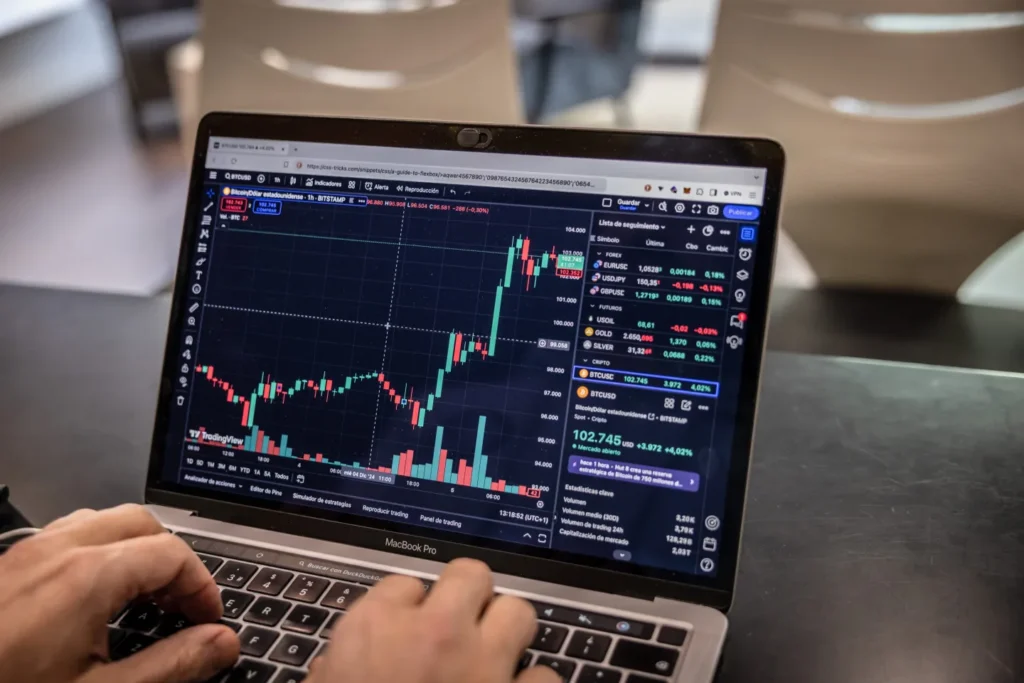
1. The New Era of Digital Intelligence
In the early days of Bitcoin, an investor only needed to know the price. Today, the ecosystem involves Layer 2 scaling solutions, Liquid Staking Derivatives (LSDs), and AI-driven decentralized autonomous organizations (DAOs. To navigate this, you must understand that “data” is the new oil of the crypto world.
Why Data is the Ultimate Hedge
Volatility is often seen as a risk, but for the smart investor, volatility is an opportunity—provided you have the right data. By monitoring crypto data online, you can identify “whale” movements before they hit the exchanges, allowing you to position yourself ahead of the curve.
2. On-Chain vs. Off-Chain Data: The Dual Engine
To truly Master Crypto Data Online, you must distinguish between the two primary types of information available.
On-Chain Data (The Truth Machine)
On-chain data is the information recorded directly on the blockchain. It is immutable, transparent, and impossible to fake.
- Active Addresses: Tells you if a network is actually being used or if the price is just being pumped by a few players.
- Exchange Net Flow: Are people moving their coins to exchanges (to sell) or away from them (to hold)?
- Hash Rate: For Proof-of-Work coins like Bitcoin, this indicates the security and health of the mining ecosystem.
Off-Chain Data (The Sentiment Engine)
Off-chain data comes from outside the blockchain—social media, news outlets, and search engines.
- Social Sentiment: Tools that scrape X (formerly Twitter), Reddit, and Discord to gauge if the crowd is fearful or greedy.
- Funding Rates: In the futures market, this shows whether the majority of traders are “long” or “short.”
3. Top Metrics for the “Smart Investor” in 2026
If you want to stay ahead, these are the non-negotiable metrics you need to track daily:
A. Total Value Locked (TVL)
In the world of DeFi (Decentralized Finance), TVL represents the amount of capital committed to a protocol. A rising TVL usually indicates growing trust and utility in a specific ecosystem.
B. MVRV Z-Score
This is a market-value-to-realized-value metric. It helps identify when a coin is “overvalued” (in the red zone) or “undervalued” (in the green zone) relative to its “fair” value.
C. NVT Ratio (Network Value to Transactions)
Think of this as the P/E ratio for crypto. It compares the market cap to the volume of transactions happening on the network. A high NVT might suggest a bubble, while a low NVT suggests the network is undervalued.

4. The Rise of AI-Integrated Analytics
By 2026, manual data analysis will be obsolete. Smart investors are now using AI to filter the noise.
Predictive Modeling
Modern platforms use machine learning to scan historical crypto data online and identify “fractals”—patterns that repeated in previous bull or bear markets. While not a crystal ball, it provides a statistical edge.
Real-Time Alerts
Using “Whale Alert” bots and AI filters, investors can get a notification the second a dormant wallet from 2011 moves 5,000 BTC. This level of insight was previously reserved for hedge funds; now, it’s available to anyone with an internet connection.
5. Regional Market Dynamics: USA and UK Perspectives
To Master Crypto Data Online, you must also understand where the money is coming from.
- The USA Factor: With the SEC’s clear guidelines on ETFs, US institutional data (like Grayscale and BlackRock inflows) has become a primary market mover.
- The UK Hub: London has emerged as the “Global Web3 Capital.” UK-based data emphasizes compliance, “Green Mining” metrics, and regulatory transparency, which attracts conservative European capital.
6. Building Your Professional Data Dashboard
You don’t need a Bloomberg Terminal to succeed. You can build a professional-grade setup using these categories of tools:
- Explorers: Etherscan, Solscan (for deep-diving into specific transactions).
- Aggregators: CoinMarketCap, CoinGecko (for a birds-eye view).
- Advanced Analytics: Glassnode, Dune Analytics (for custom SQL-based on-chain queries).
- Portfolio Trackers: Tools that sync your wallets to show your real-time profit/loss across multiple chains.
7. Risk Management: The Data-Driven Approach
Smart investing isn’t just about making money; it’s about keeping it.
- Liquidation Heatmaps: See where other traders have their “stop-losses.” Market makers often “hunt” these levels, causing sudden price dips.
- Correlation Tables: Does your altcoin move in lockstep with Bitcoin? If it does, you aren’t diversified; you’re just doubled-down on BTC.
8. Conclusion: The Path Forward
The journey to Master Crypto Data Online is a continuous process of learning. The market moves fast, but the data moves faster. By focusing on on-chain health, leveraging AI tools, and keeping a close eye on global regulatory shifts, you position yourself not just as a participant, but as a leader in the digital economy.
Stop guessing. Start measuring. The data is all there—you just need to know where to look.
Frequently Asked Questions (FAQ)
Q1: Is it expensive to access professional crypto data?
Many powerful tools like Dune Analytics and basic tiers of Glassnode are free. While “Pro” versions cost money, most retail investors can succeed with free crypto data online resources.
Q2: How often should I check on-chain data?
For long-term investors, once a week is enough to spot trends. For active traders, real-time alerts are necessary.
Q3: What is the most reliable “bottom” indicator?
Historically, the “Cumulative Value Coin Days Destroyed” and the “MVRV Z-Score” have been the most reliable at predicting market bottoms.
About The Author
