
Step-by-Step Guide to Crypto Data Online Analysis
The cryptocurrency market is one of the most dynamic and rapidly evolving financial spaces in the world. Prices can rise or fall within minutes, trends can change without warning, and opportunities can appear at any time. For traders and investors, success depends on making informed decisions—and that requires understanding crypto data online analysis.
Crypto data online analysis involves studying real-time and historical market data to identify trends, predict price movements, and make smarter trading decisions. Whether you are a beginner or an experienced trader, learning how to analyze crypto data step by step is essential.
This comprehensive guide walks you through the process of crypto data analysis, helping you build a strong, data-driven trading strategy.
What Is Crypto Data Online Analysis?
Crypto data online analysis is the process of examining market data collected from cryptocurrency exchanges and blockchain networks. This data provides insights into market behavior and helps traders make informed decisions.
Key types of data include:
- Live cryptocurrency prices
- Trading volume
- Market capitalization
- Price charts
- Technical indicators
- Order book data
- On-chain analytics
- Market sentiment
Understanding how to interpret this data is the foundation of successful trading.
Why Crypto Data Analysis Is Important
Without proper analysis, trading becomes guesswork. Crypto data analysis helps traders:
- Identify market trends
- Find profitable opportunities
- Reduce risks
- Improve decision-making accuracy
- Avoid emotional trading
Using data ensures that decisions are based on facts rather than speculation.
Step 1: Choose Reliable Data Sources
The first step in crypto data analysis is selecting trustworthy platforms.
A good platform should provide:
- Accurate real-time data
- Comprehensive market coverage
- Easy-to-read charts
- Advanced analysis tools
Using reliable sources ensures that your analysis is based on correct information.
Step 2: Monitor Live Price Data
Price is the most basic and important metric in crypto analysis.
By tracking live prices, traders can:
- Observe market movements
- Identify sudden spikes or drops
- Detect breakout opportunities
However, price alone is not enough. It must be combined with other data points for better insights.
Step 3: Analyze Trading Volume
Trading volume indicates how much of a cryptocurrency is being traded.
Volume helps:
- Confirm trends
- Identify strong or weak movements
- Detect potential reversals
For example, a price increase with high volume indicates strong buying interest, while low volume suggests weak momentum.
Step 4: Study Price Charts
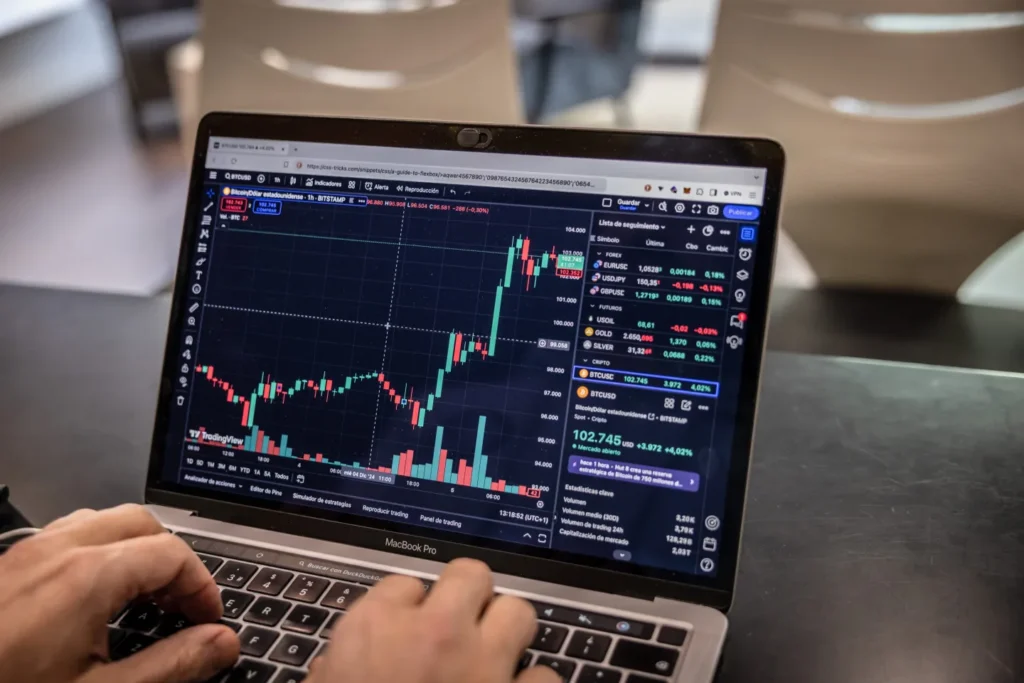
Charts provide a visual representation of market data.
Common chart types include: crypto data
- Line charts for simple trends
- Bar charts for detailed analysis
- Candlestick charts for advanced insights
Candlestick charts are especially useful because they show:
- Opening price
- Closing price
- High and low points
Learning to read charts is essential for understanding market behavior.

Step 5: Identify Market Trends
Trend analysis is a key part of crypto data analysis.
There are three main types of trends:
- Uptrend – prices are rising
- Downtrend – prices are falling
- Sideways – prices move within a range
Trading with the trend increases the chances of success.
Step 6: Use Technical Indicators
Technical indicators help analyze price patterns and predict future movements.
Popular indicators include:
- Moving Averages (MA) – Identify trend direction
- Relative Strength Index (RSI) – Detect overbought or oversold conditions
- MACD – Identify trend changes
Using multiple indicators together improves accuracy.
Step 7: Identify Support and Resistance Levels
Support and resistance are key price levels:
- Support – where prices stop falling
- Resistance – where prices stop rising
These levels help traders:
- Plan entry and exit points
- Set stop-loss orders
- Predict price breakouts
Step 8: Analyze the Order Book
The order book shows real-time buy and sell orders.
It helps traders understand:
- Market demand and supply
- Liquidity levels
- Potential price movements
Large buy orders indicate support, while large sell orders suggest resistance.
Step 9: Monitor Market Sentiment
Market sentiment reflects the mood of traders.
It can be influenced by:
- News and media
- Social media trends
- Regulations
- Economic events
Positive sentiment leads to buying activity, while negative sentiment leads to selling pressure.
Step 10: Use On-Chain Data
On-chain data comes directly from blockchain networks.
Key metrics include:
- Transaction volume
- Active wallet addresses
- Whale activity
This data helps traders understand real market activity beyond price movements.
Step 11: Combine Multiple Data Points
Successful analysis requires combining different types of data:
- Price movements
- Trading volume
- Technical indicators
- Market sentiment
- On-chain metrics
This comprehensive approach improves decision-making accuracy.
Step 12: Set Alerts and Notifications
Many crypto platforms allow users to set alerts.
Alerts can notify you about:
- Price changes
- Volume spikes
- Trend signals
This ensures you don’t miss important market movements.
Step 13: Apply Risk Management
Risk management is essential for long-term success.
Traders should:
- Use stop-loss orders
- Manage position sizes
- Diversify investments
- Avoid overtrading
Real-time data helps traders adjust strategies quickly.
Step 14: Practice with Small Trades
Beginners should start with small investments.
This helps:
- Gain experience
- Test strategies
- Learn from mistakes
Practice builds confidence and improves skills over time.
Step 15: Review and Improve Your Strategy
Continuous improvement is key to success.
Traders should:
- Analyze past trades
- Identify mistakes
- Adjust strategies
- Learn new techniques
Keeping a trading journal can help track progress.
Common Mistakes to Avoid
When analyzing crypto data, traders often make mistakes such as:
- Relying only on price data
- Ignoring volume confirmation
- Overtrading
- Following hype instead of data
- Making emotional decisions
Avoiding these mistakes improves long-term performance.
Building a Data-Driven Trading Strategy
A strong trading strategy includes:
- Monitoring real-time data
- Identifying trends
- Using technical indicators
- Applying risk management
- Reviewing performance regularly
Consistency and discipline are essential.
The Future of Crypto Data Analysis
Crypto data analysis is evolving with new technologies.
Innovations include:
- Artificial intelligence
- Machine learning
- Advanced analytics tools
These technologies help traders analyze data faster and more accurately.
Final Thoughts
Learning crypto data online analysis step by step is essential for anyone involved in cryptocurrency trading or investing. It helps traders understand market behavior, identify opportunities, and make informed decisions.
By following this guide, combining multiple data points, and maintaining a disciplined approach, traders can improve their strategies and achieve long-term success.
In the fast-moving world of crypto, knowledge is power—and real-time data is the key to unlocking that power.
About The Author
