
Top Secure Crypto Wallets to Keep Your Coins Safe in 2025
Global Crypto Sports readers, welcome to your ultimate guide to the Secure Crypto Wallet landscape in 2025! If you’re diving into the crypto world—whether for DeFi, Web3 gaming, or long‑term investing—keeping your coins safe is the foundation of your success. In this blog post, we unpack everything you need to know about secure crypto wallets, how they work, and which ones stand out this year. Let’s get started!
Why Secure Crypto Wallet Matters in 2025
The crypto ecosystem continues to expand at lightning speed. The rise of Global Crypto Sports tokens, NFTs, DeFi platforms, and Web3 applications has broadened the range of assets people hold. With more value sitting in wallets—and more sophisticated hacks emerging—having a secure crypto wallet is no longer optional; it’s essential.
In 2025:
- Crypto adoption is mainstream—sending, trading, and staking aren’t limited to technical experts anymore.
- Cyber threats are evolving, with phishing, malware, supply-chain attacks, and social engineering more prominent than ever.
- Regulatory attention is heating up, prompting users to prioritize security, transparency, and control.
Hence, choosing a wallet that blends safety, usability, and compatibility with your digital lifestyle is critical. It’s not just about holding crypto—it’s about keeping it safe while accessing the opportunities DeFi, Web3, and Global Crypto Sports ecosystems offer.
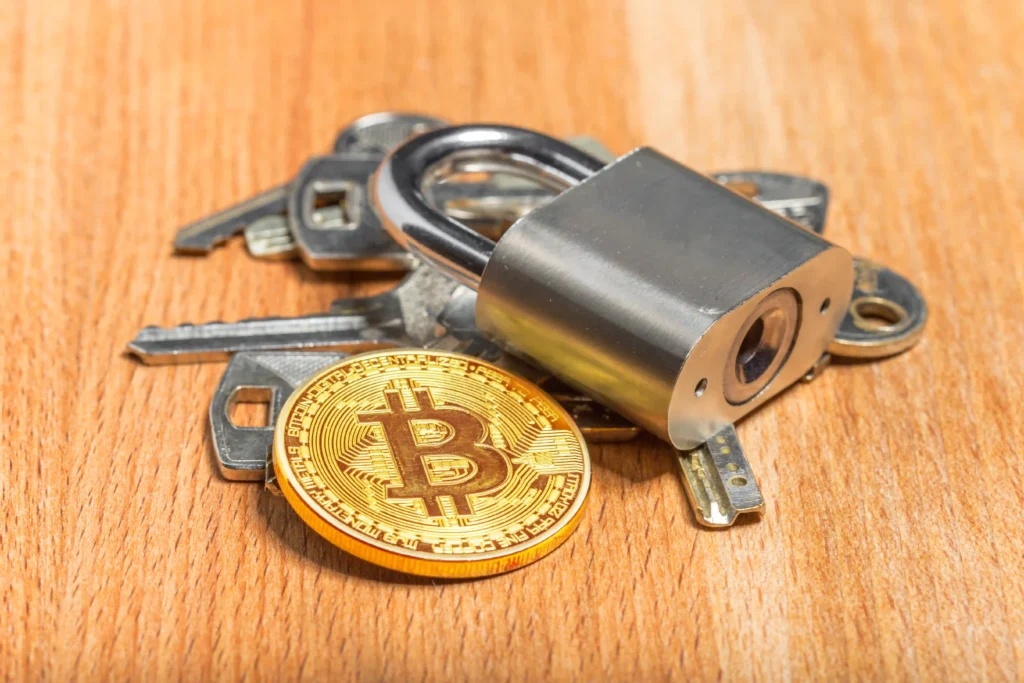
Key Terms: Understanding the Crypto Wallet Landscape
Before diving into wallet options, let’s quickly define some crypto-related terms—especially useful for beginners:
- Blockchain: A decentralized, computer‑maintained ledger where transactions are grouped into blocks and linked chronologically and cryptographically. It underpins all cryptocurrencies.
- DeFi (Decentralized Finance): Financial services—like lending, borrowing, staking—built on blockchains without traditional intermediaries.
- Web3: The next generation of the internet, built on decentralization, blockchain, and token-based economics. It’s where many digital assets and smart contracts operate.
- Crypto Wallet Types:
- Cold Wallet: A wallet stored offline (e.g., hardware device or paper), offering superior security.
- Hot Wallet: Connected to the internet—e.g., mobile or desktop wallets—for easy access, but potentially more vulnerable.
- Hardware Wallet: A type of cold wallet in a physical device (USB-like) with isolated key storage.
- Mobile Wallet: A hot wallet in smartphone app form—great for convenience and mobility.
- Decentralized Wallet: A non-custodial wallet giving you sole control of private keys; there’s no central authority.
- Wallet Backup: Safe recovery of your wallet in case your device is lost, stolen, or damaged—typically via seed phrases, encrypted backups, or recovery files.
- Crypto Wallet Security: Measures—like PINs, 2FA, passphrases, secure storage—that protect your private keys and assets.
Having defined those, let’s explore the top best crypto wallets 2025 picks, organized by type and use case.
The Best Secure Crypto Wallets in 2025 – By Category
1. Hardware Wallets (Cold Wallets) – Ultimate Security
Why hardware wallets are top-tier for cleanliness and security:
- Private keys never leave the device.
- PIN protection and a passphrase ensure extra layers.
- Offline signing of transactions prevents malware interception.
Leading options in 2025:
• Ledger Nano X / Nano S Plus
- Pros:
- Supports 5,500+ cryptocurrencies.
- Bluetooth-enabled (Nano X) for wireless convenience.
- Regular firmware updates strengthen crypto wallet security.
- Cons:
- Bluetooth adds a potential attack surface.
- Costs ~$80–100.
- Supply-chain risk if bought from unauthorized resellers.
• Trezor Model T
- Pros:
- Full touchscreen for secure PIN entry.
- Open-source firmware appeals to privacy-focused users.
- Supports Shamir Backup for advanced wallet backup options.
- Cons:
- Higher price (~$180).
- Not as sleek as some alternatives.
• Coldcard Mk4
- Pros:
- Bitcoin-only specialization for dedicated holders.
- Air-gapped (no USB connected by default); supports microSD.
- Transparent, open design—great for advanced users.
- Cons:
- Less beginner-friendly.
- Only for BTC.
Use‑case Examples:
- A long‑term HODLer of Global Crypto Sports tokens (ERC‑20) stores them securely on a Ledger Nano X.
- An investor interested only in BTC prefers the Coldcard’s ironclad security and air‑gapped operation.
2. Mobile Wallets (Hot Wallets) – Convenience on the Go
Mobile wallets are apps on your phone—always online, which means:
- Pros:
- Quick access to funds.
- Support for in-app swaps, staking, and DEX access.
- Often integrates with Web3 apps.
- Cons:
- Vulnerable if your phone is compromised.
- Risky on rooted/jailbroken devices.
- Less secure than cold wallets.
Top mobile wallets for 2025:
• MetaMask Mobile
- De facto standard for DeFi and Web3 on Android/iOS.
- Enables wallet to connect to DEXs, DeFi apps, and Global Crypto Sports platforms.
- Offers wallet backup via a 12‑word seed phrase.
- Extra layer with passcode/biometric lock.
• Trust Wallet
- Officially backed by Binance—wide crypto and NFT support.
- Simple UI, integrated DApp browser.
- Supports hardware wallet connection for improved security.
• Coinomi
- Multi‑asset support.
- Strong privacy focus—no IP or personal data stored.
- Hierarchical deterministic wallet for smart wallet backup.
3. Desktop Wallets (Hot Wallets + Possible Cold Integration)
Desktop wallets offer balance—mostly hot, but with advanced features.
• Exodus
- Attractive UI for beginners.
- Built-in exchange, portfolio tracking.
- Supports desktop–hardware wallet pairing (e.g., with Trezor) for added crypto wallet security.
• Electrum
- Bitcoin-only, lightweight, customizable.
- Supports hardware wallets and offline signing.
- Compatible with plugins for additional backup and security.
4. Paper Wallets & Other Cold Solutions
While not as popular in 2025, paper wallets and hand‑written seed backups remain viable if well-kept:
- Paper Wallet: Generate a public/private key offline, print it. Store it physically.
- Metal Seed Backup: Engrave or stamp your seed phrase into stainless steel for fire/water resistance.
- Shamir Backup (Trezor): Split seed into multiple parts—partial recovery without compromising full key.

Evaluating Wallet Security – Factors to Consider
When choosing your secure crypto wallet, examine these critical factors:
1. Custody Model
- Non‑custodial (decentralized): You control your private keys; more secure but your responsibility.
- Custodial: A third party holds your keys; more user-friendly but trust centralization.
2. Backup & Recovery
- Ability to use:
- Seed phrase (12/24 words).
- Encrypted storage or dedicated backup solutions.
- Advanced options like Shamir Backup.
3. Hardware vs Software Security
- Hardware wallets isolate keys.
- Hot wallets must rely on strong local and device security.
4. Reputation & Audit
- Has the wallet had known breaches?
- Is the code open-source? When was it audited?
5. Blockchain & Asset Support
- Does it support Ethereum and ERC‑20 tokens (Global Crypto Sports)?
- NFTs, other blockchains?
6. Ease of Use
- Are setup and recovery beginner-friendly?
- Are features like biometric locks, UI design, helpful?
7. Connectivity
- USB, Bluetooth, or air‑gapped for hardware wallets.
- Hot wallets rely on the internet which may increase risk.
Real‑World Examples & Case Studies
Case Study 1: The DeFi Early Adopter
Alice actively participates in DeFi via Global Crypto Sports token platforms. She paired her Ledger Nano X with MetaMask Mobile—storing most assets offline but using a hot wallet for day-to-day swaps. If her phone is lost, she still retains full access via hardware wallet. She stays secure without sacrificing convenience.
Case Study 2: The Long‑Term HODLer
Bob holds Bitcoin and Ethereum for the long haul. For BTC, he uses Coldcard Mk4, air‑gapped and tucked in a safe. For Ethereum and Global Crypto Sports tokens, he opts for Trezor Model T plus Exodus desktop, connecting the two only when making transactions. He backs up seeds in metal plates.
Case Study 3: The Mobile‑First User
Cathy trades primarily via a mobile interface. She uses Trust Wallet, enabling biometric PIN and keeping backups cloud-encrypted via her iCloud. She knows this is riskier and transfers her larger holdings to a Ledger every few months.
Pros & Cons – at a Glance
| Wallet Type | Pros | Cons |
|---|---|---|
| Hardware (cold) | Highest security; offline; PIN/passphrase protected; non‑custodial | Cost; small risk via Bluetooth (Ledger); not always convenient |
| Mobile (hot) | Convenient; Web3/DeFi access; easy setup | Vulnerable to phone hacks; not offline; risk on compromised device |
| Desktop (hot/cold combo) | Advanced features; hardware pairing; portfolio management | Needs healthy PC; malware risk; usability varies |
| Paper/Metal Backup | Cheap; offline; durable (metal); private and separate | Easy to lose; physical destruction risk; complex backup for novices |
| Custodial Wallets | Simple; password recovery | Needs a healthy PC; malware risk; usability varies |
Actionable Advice – Beginners & Intermediate Investors
Whether you’re brand new or have some crypto experience, here’s what you can do today:
For Beginners:
- Start simple: Use a trusted mobile wallet like MetaMask or Trust Wallet. Set a strong password and enable biometric locks.
- Backup immediately: Write down your 12-word seed phrase on paper—and maybe in metal for extra safety.
- Test recovery: Do a dry run: recover your wallet on another device with the seed—make sure it works.
- Use cold storage for large amounts: If you accumulate over a small budget (e.g., $500+), consider investing in a hardware wallet.
- Stay updated: Enable firmware updates on hardware wallets and app updates on software wallets.
For Intermediate Users:
- Split holdings: Keep day-to-day funds in a hot wallet; store the majority in a cold wallet.
- Use passphrases: Add an extra hidden account on hardware wallets—an additional layer alongside your seed.
- Audit your security: Ensure your recovery phrase is stored securely, not cloud-synced or photosaved.
- Keep device clean: Don’t use rooted or jailbroken phones. Use antivirus on desktop, stay off shady extensions.
- Private key hygiene: Never share private keys. Beware of phishing, especially via Global Crypto Sports platforms or emails.
FAQ – Common Questions About Secure Crypto Wallets
Q1: What is a “Secure Crypto Wallet”?
A Secure Crypto Wallet is any cryptocurrency wallet that provides strong protection for your private keys—whether through offline storage (hardware), encryption, passphrase protection, or secure device controls.
Q2: Is a cold wallet always better than a hot wallet?
Cold wallets (e.g., hardware or paper) offer superior security since they’re offline. Hot wallets are more convenient for everyday use. The optimal strategy is combining both: hot wallets for active use, cold wallets for long-term storage.
Q3: What is the best crypto wallet 2025 for beginners?
For versatility and ease of use, Trust Wallet or MetaMask Mobile are excellent choices for beginners. They offer intuitive interfaces, wide asset support—including tokens like Global Crypto Sports—and simple backup options.
Q4: Should I use a decentralized wallet or a custodial wallet?
Using a decentralized wallet means you’re fully responsible for your security—but nobody can freeze or access your funds. A custodial wallet is easier to use but requires trusting a third party. For real security, decentralized wallets are preferred.
Q5: How should I perform a wallet backup?
Write your seed phrase by hand, store it in a safe location. If available, use metal storage for durability. Don’t save it digitally (screenshots, files) where hackers might access it. Consider Shamir Backup from Trezor for even stronger recovery resilience.
Q6: Can hardware wallets be hacked?
While hardware wallets offer exceptionally high security, risks exist—such as supply-chain tampering or Bluetooth vulnerabilities. Always buy from official sources, verify device integrity, and enable firmware updates to reduce risk.
Q7: What is a decentralized wallet? Are hardware wallets decentralized?
A decentralized wallet gives you full control over your private keys—no third party involved. Hardware wallets can be decentralized (non-custodial)—the device just stores your keys; you’re still in control.
Conclusion & Call to Action
Securing your digital assets starts with picking the right secure crypto wallet—one that balances safety, ease of use, and future adaptability. In 2025, the stakes are higher: as crypto ecosystems like Global Crypto Sports, DeFi, and Web3 expand, so do the risks.
Key takeaways:
- Hardware wallets like Ledger Nano X or Trezor Model T offer unmatched crypto wallet security.
- Mobile wallets such as MetaMask Mobile and Trust Wallet bring convenience, but always pair them with a cold backup.
- Use wallet backup best practices—seed phrases, metal backups, Shamir splits—for recovery resilience.
- Educate yourself, stay updated, avoid scams, and mix wallet types based on your needs: daily access vs long-term holding.
Call to Action: Want to stay at the forefront of crypto security? Bookmark this guide, subscribe to Global Crypto Sports for updates on wallet technology and emerging threats, and consider investing in a hardware wallet today before it’s too late. Share this post with friends entering the crypto space—because the best crypto wallet 2025 is only secure if you act on it.
Thank you for reading! Have questions or specific wallets you’d like compared? Drop them in the comments below—our team at Global Crypto Sports is happy to help you level up your security game.
Let’s protect your assets and your future.
About The Author
