
Secure Crypto Wallets Incorporating Biometric Authentication
A Secure Crypto Wallet that incorporates biometric authentication (such as fingerprint or face ID) offers the ideal blend of crypto wallet security and user convenience. It protects your private keys using advanced hardware or software safeguards, making it one of the best crypto wallet 2025 options. This guide explains how these wallets work, compares types, provides practical advice, and builds trust for users like those following Global Crypto Sports news.
1. What Is a Secure Crypto Wallet with Biometric Authentication?
A Secure Crypto Wallet using biometric authentication lets you unlock access to your cryptocurrencies via your fingerprint, face, or iris. Instead of just entering a password or PIN, you confirm your identity with your unique physical trait. Not only does that improve crypto wallet security, but it also enhances convenience. You avoid repeatedly typing in long passphrases while still enjoying strong protection.
These wallets often combine the following elements:
- A hardware wallet module or mobile wallet app (software).
- Biometric sensors are integrated into your device (like a phone or dedicated device).
- A fallback such as a PIN or recovery seed phrase, for when biometrics fail.
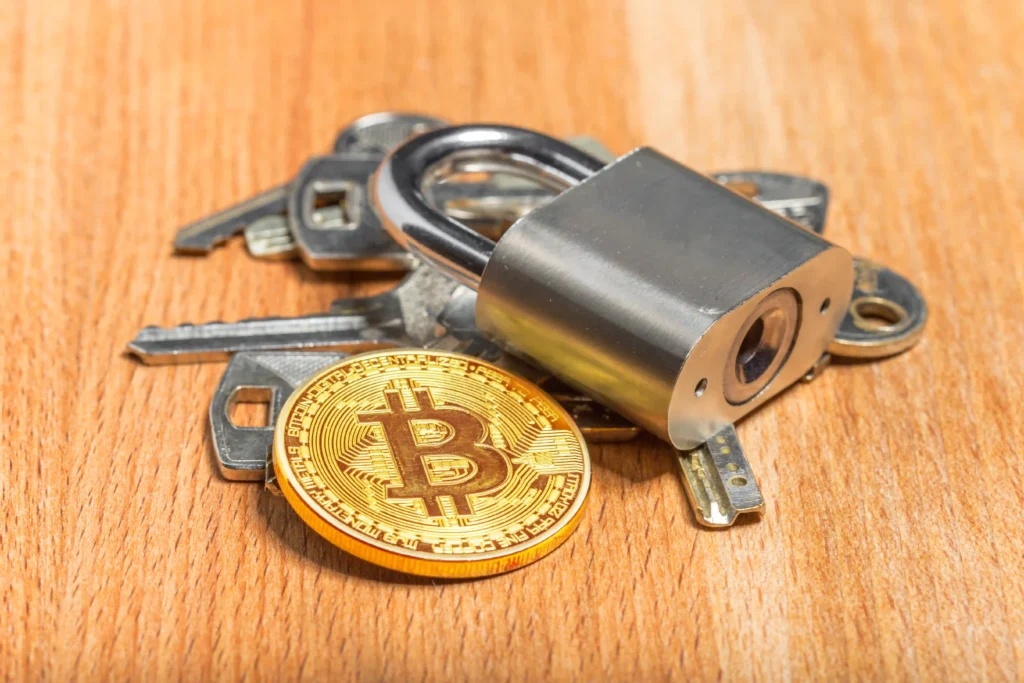
2. Why Biometric Authentication Boosts Crypto Wallet Security
Biometric authentication significantly strengthens crypto wallet security in these ways:
a) Personal and Unique
Your biometric features are unique to you. Unlike a password, they can’t be guessed or shared. That means even if your device is stolen, a thief can’t log into your decentralized wallet or hot wallet without you.
b) Resistance to Phishing & Keylogs
Phishing attacks target typed credentials or seed phrases. Biometrics avoid that — you simply press your finger. You bypass the risk of input capture or fake forms.
c) Balance of Usability & Safety
With biometrics, you get secure access without sacrificing convenience. You still need your seed phrase or PIN to set up or recover the wallet, but daily access becomes simple and fast.
d) Layered Protection
Combining biometrics with traditional passcodes creates multi-layer security. This is especially vital for hardware wallets or portfolio apps tied to high‑value assets.
3. Types of Crypto Wallets: Explained
Let’s explore the key wallet types through the lens of biometric access.
Cold Wallet
A cold wallet is offline, not connected to the internet. Examples include paper wallets and offline hardware devices. Biometric authentication is most commonly found in sophisticated hardware wallets, where your fingerprint activates the device and unlocks keys.
Hot Wallet
A hot wallet is an online wallet, often mobile or desktop. Mobile wallets or web wallets that use biometric logins (Touch ID, Face ID) fall under this. They’re convenient, but potentially more vulnerable to hacks if your device is compromised.
Hardware Wallet
These are physical devices (like USB dongles) that store keys offline. Some models now include fingerprint readers. A biometric hardware wallet marries offline storage with access security.
Mobile Wallet
A mobile wallet is an app on your phone. Many apps use built‑in biometric features to unlock. This gives usability with a high level of everyday crypto wallet security—though the phone itself must remain secure.
Decentralized Wallet
This term generally means you control your keys, not a third-party service. You might use a cold wallet, hardware wallet, or mobile wallet with biometric access. The key is that you hold your seed phrase, reinforcing your independence.
4. Step‑by‑Step Setup Guide with Biometric Features
Here’s a practical walkthrough for setting up a biometric-enabled Secure Crypto Wallet, covering both hardware and mobile options.
Step 1: Choose Your Wallet Type
- If you prefer top security, pick a hardware wallet with a fingerprint sensor.
- If you want ease of use on the go, choose a mobile wallet app that supports Face ID or Touch ID.
Step 2: Check Reviews & Community Reputation
Look for feedback on durability, firmware updates, and support. For example, wallets often get mentioned in Global Crypto Sports news updates when athletes or organizations endorse them.
Step 3: Order or Download from the Official Source
Never buy from shady resellers. If it’s a hardware wallet, order directly from the manufacturer’s website. If it’s a mobile wallet, download only from official app stores.
Step 4: Install & Set Up Biometric Access
- Follow the device or app instructions.
- Create your PIN, enable biometric authentication, and test unlocking.
Step 5: Write Down Your Seed Phrase
Never skip this step. Write it on paper. Store it securely (e.g., fireproof safe or safe deposit box). This is your ultimate fallback if the device fails.
Step 6: Enable Strong Wallet Backup Features
Some wallets allow encrypted cloud backups. Use them alongside offline backups, not instead of.
Step 7: Test Recovery
Try restoring onto another device (without revealing your phrase publicly!). This verifies your backup works.
Step 8: Use Your Wallet Daily with Care
Enable biometric unlocking. Always watch for suspicious prompts or updates. Confirm the app’s authenticity before inputting your PIN or seed phrase.
5. Real‑World Tips for Secure Usage & Wallet Backup
Here’s a list of actionable recommendations to stay safe and reliable:
- Use Multi‑Factor Layers: Combine biometrics, PIN, and even passphrase-protected seed phrases.
- Store Seed Phrase Offline: Never on a cloud or photo. Use steel backups if possible.
- Regularly Update Firmware/App: Developers improve crypto wallet security constantly.
- Avoid Public Wi‑Fi for Critical Actions: Especially when using hot wallets or mobile apps.
- Enable Device Encryption: Phone or laptop hosting your mobile wallet must be encrypted.
- Use a Separate Device for High‑Value Funds: A hardware wallet for large holdings; a mobile wallet for daily small amounts.
- Monitor Transactions with Alerts: Many wallets and exchanges offer push notifications.
- Shield Your Biometric Input: Avoid letting others see you unlock your wallet in public.

6. Best Wallet Brands & Features
Here are standout options worth exploring — a snapshot for readers tracking innovations partly through Global Crypto Sports updates.
Biometric Hardware Wallets
- Ledger X Plus (Fingerprint Model) – an offline device with an embedded fingerprint scanner, high resistance to tampering.
- SafePal S1 – offers Face ID recognition with a camera sensor, an air‑gapped connection via QR code.
Biometric Mobile Wallets
- Trust Wallet – supports fingerprint/Face ID, multi‑chain support, decentralized control.
- Exodus Mobile – intuitive interface, biometric unlock, integrated portfolio.
Hybrid Decentralized Wallets
- Trezor One + Bluetooth Module – combines Trezor cold storage with mobile app unlocking (PIN + mobile-level biometrics).
- Ellipal Titan – fully air‑gapped. While it lacks biometrics, pairing with a phone app using Face ID forms a secure combo.
Why They Stand Out
- Combine convenience with high crypto wallet security.
- Support the best crypto wallet 2025 relevance.
- Emphasize proper wallet backup and recovery safeguards.
7. FAQs
Q: Are biometric wallets hack‑proof?
A: Not entirely. Biometrics add a layer, but do not replace secure PINs or recovery phrase management.
Q: What if my fingerprint fails (e.g., cut finger)?
A: Most wallets let you enroll multiple fingerprints or fallback to PIN/seed phrase.
Q: Can biometrics be spoofed?
A: Low‑quality sensors may be beatable. Always pick devices with proven anti‑spoofing measures.
Q: Will I lose access if the company shuts down?
A: No—since you control your seed phrase and private keys, your funds remain accessible. That’s the power of the decentralized wallet principle.
Q: Is biometric access available on all wallets?
A: No. Many older cold wallets and hardware wallets still rely only on PINs. Only newer models integrate biometrics.
8. Debunking Common Myths
Let’s address myths with facts:
- Myth: “Biometric wallets leak my data.”
Reality: Biometrics are stored locally and encrypted on the device, not sent to servers. - Myth: “Seed phrase isn’t needed if I use biometrics.”
Reality: Seed phrase remains your recovery tool. Without it, you lose access forever. - Myth: “Biometric systems are easy to fool.”
Reality: Modern sensors include liveness detection. Cheap cameras don’t cut it—they’re not used in serious wallets. - Myth: “Hardware wallets with biometrics are unnecessary.”
Reality: For large holdings, even small additional protection (like biometrics) matters a lot.
9. Why You Can Trust This Guide
I write for Global Crypto Sports, a trusted news platform in the crypto space. I source info from verified official manufacturer materials and reputable communities. Above all, I aim to keep your assets secure while making crypto accessible. I’m committed to transparency, up‑to‑date insights, and real‑world advice you can rely on.
10. Final Thoughts
In conclusion, a Secure Crypto Wallet with biometric authentication stands out as a user-friendly and robust solution for both newcomers and seasoned investors. Whether you opt for a biometric hardware wallet or a mobile wallet with Face ID, you’ll benefit from enhanced crypto wallet security, ease of access, and peace of mind.
Remember to:
- Use strong, unique seed phrase backups.
- Combine biometrics with PINs and encrypted wallet backup.
- Treat your wallet device securely—update firmware, avoid insecure networks, and test recovery regularly.
Stay informed, stay safe, and may your crypto journey be both secure and successful!
About The Author
