
Iran News: Israel & US Conflict Update
In recent months, Iran News has become essential for understanding major global events and international security. West Asia is currently going through one of its most critical periods in modern history. Therefore, citizens, political analysts, and international leaders pay close attention to every daily update coming out of the region.
Historical Background of the US, Israel, and Iran Tensions

The Evolution of Regional Rivalries
To understand current reports in Iran News, one must look closely at the deep historical background of these political rivalries. Historically, relations between Washington, Tel Aviv, and Tehran were fundamentally different before the late twentieth century. However, after major political shifts altered the national structure, foreign policy turned toward complete self-reliance and anti-imperialism. Consequently, past strategic alliances ended, and a long era of indirect competition began. Over the years, this rivalry expanded through economic sanctions, intelligence operations, and indirect regional friction.
Nuclear Negotiations and Broken Accords
Meanwhile, nuclear negotiations have remained a primary source of diplomatic tension for over two decades. Initially, international diplomatic frameworks aimed to limit nuclear enrichment while lifting commercial sanctions. Nevertheless, disagreements over inspection rules and sanction relief schedules repeatedly stalled progress. When diplomatic pacts broke down, economic restrictions were increased significantly. As a direct result, trust between the negotiating parties declined completely, setting the stage for recent armed clashes. Hence, current reports in Iran News frequently emphasize how past diplomatic failures continue to influence modern battlefield choices.
Key Military Developments in the Recent Conflict Update
The Initial Joint Strikes and Leadership Disruption
Recently, the security situation changed dramatically following direct joint military strikes on Iranian administrative and military centers. Specifically, key defense facilities in Fordow, Isfahan, and Natanz were targeted in heavy air operations. Tragically, these initial attacks resulted in major leadership losses and heavy casualties among personnel. Immediately, emergency defense laws were activated across the country. Despite the severe initial damage, local defense forces organized rapidly to launch counter-operations. Consequently, news agencies covering Iran News began broadcasting real-time updates on active defense operations.
Iran’s Decentralized Defensive Response
In response to the initial attacks, Iranian commanders adopted a decentralized defense strategy. Because centralized communication hubs were damaged, regional military units were granted local authority to execute defensive actions independently. This strategy allowed defense forces to maintain operational speed without waiting for central orders. For example, mobile missile units and underground drone launching facilities were deployed within hours. Furthermore, this approach made it difficult for opposing intelligence services to track local military movements. As a result, Iran News highlighted how quickly defense structures adapted to sudden high-intensity threats.
Missile and Drone Tactics Across the Region
Simultaneously, defensive responses involved large launches of precision-guided ballistic missiles and suicide drones. These attacks were directed toward opposing military airfields, radar sites, and naval support facilities across West Asia. In addition, regional partner networks coordinated their own missile launches to divide air defense coverage. Consequently, interceptor missile stocks were drained rapidly during the early weeks of the conflict. Indeed, recent updates in Iran News confirm that defense industrial plants worked continuously to produce replacement systems and sustain tactical supplies.
Impacts on Regional Air Defense Systems
Moreover, the high volume of incoming drone swarms tested modern air defense shields to their limits. Although advanced defense systems shot down many incoming targets, several key radar systems suffered direct structural damage. Therefore, air space security across West Asia became highly volatile, forcing military planners to constantly adjust their defensive positions.
The Strait of Hormuz Crisis and Global Economic Impact
Maritime Blockades and Commercial Shipping Disruptions
Another critical area covered extensively in Iran News is the ongoing crisis in the Strait of Hormuz. Because this narrow channel serves as the primary exit for Gulf oil exports, controlling transit rights remains a central tactical goal. Following the outbreak of open hostilities, Iranian naval forces restricted commercial ship passages through the waterway. Consequently, daily vessel transits fell from over 130 ships to fewer than ten. Furthermore, foreign cargo ships faced strict inspection guidelines, causing widespread maritime standoffs.
Energy Market Volatility and Crude Oil Prices
As a direct consequence of these shipping restrictions, world energy markets experienced severe price spikes. Crude oil prices soared as international buyers scrambled to secure remaining energy supplies. In addition, liquefied natural gas shipments to Europe and Asia faced major delays. Because global supply chains operate on tight delivery schedules, energy shortages quickly threatened industrial production in many countries. Therefore, international news outlets focusing on Iran News continue to report on daily energy price movements and supply forecasts.
International Aviation and Supply Chain Delays
In addition to energy disruptions, international freight and commercial aviation suffered heavy setbacks. Airlines were forced to route flights around conflict zones, adding thousands of miles to international journeys. Consequently, fuel costs for airlines rose dramatically, leading to higher ticket prices and freight charges. Meanwhile, cargo ships stuck in regional ports caused supply shortages in agriculture, electronics, and automotive manufacturing. Thus, economic analysts rely heavily on Iran News to estimate when commercial routes might fully reopen.
Regional Fronts and Strategic Alliances
The Role of Hezbollah and the Southern Lebanon Front
Meanwhile, the conflict spread rapidly across several regional borders. In Lebanon, Hezbollah engaged in intense artillery exchanges and missile strikes along the southern border. As a result, ground operations expanded, creating another active front in the regional war. Furthermore, heavy bombardment along border towns caused massive civilian displacement on both sides. Therefore, tracking developments in Lebanon remains an integral component of comprehensive Iran News coverage.
Popular Mobilization Forces and Iraqi Militia Dynamics
Additionally, in Iraq, members of the Popular Mobilization Forces (PMF) played an active role during early security operations. However, as international pressure mounted, the Iraqi government moved to bring all armed groups under direct state command. For instance, senior Iranian military representatives visited Baghdad to discuss disarmament plans and state integration strategies. Consequently, recent updates in Iran News reflect ongoing efforts to balance regional alliance commitments with Iraqi national law.
Ansar Allah (Houthis) and Red Sea Maritime Operations
Similarly, in Yemen, Ansar Allah forces continued their maritime targeting of commercial vessels linked to opposing nations. By using anti-ship missiles and ocean drones, they effectively restricted vessel traffic through the Bab al-Mandeb Strait. As a result, international shipping lines had to bypass the Red Sea altogether, sailing around Africa instead. This extra route added two weeks to shipping schedules, worsening global trade delays. Hence, maritime security updates form a major part of daily Iran News reports.
Shift in Arab Gulf States Strategy Toward Neutrality
Interestingly, Arab Gulf states like Saudi Arabia, the United Arab Emirates, and Kuwait adopted a careful strategy of strict neutrality as the conflict progressed. Although some countries initially hosted foreign military assets, collateral damage to energy plants convinced them to avoid direct involvement. Instead, Gulf leaders actively promoted diplomatic mediation and peaceful dialogue. Consequently, Iran News frequently covers regional summits where Gulf ministers meet to secure non-aggression promises.
Diplomatic Efforts and Ceasefire Negotiations
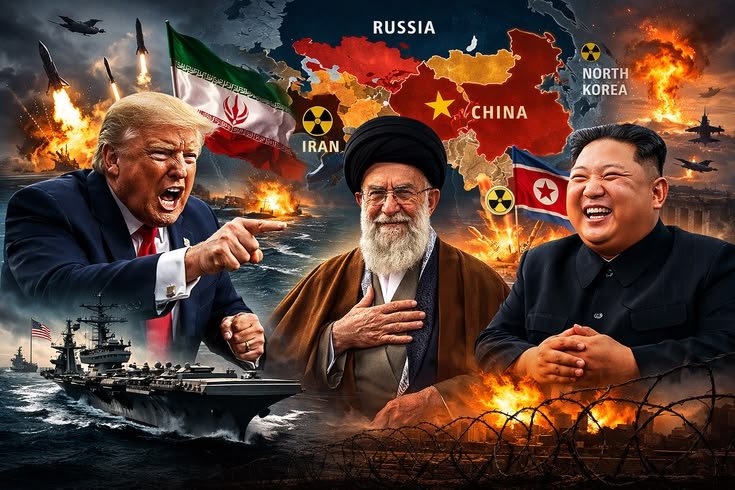
The Islamabad Memorandum of Understanding
Despite intense fighting, diplomatic channels have worked continuously behind the scenes to stop full-scale regional destruction. In June, Pakistan helped host landmark talks in Islamabad, leading to the signing of a initial Memorandum of Understanding (MoU). This agreement established temporary ceasefire windows and opened the door for direct diplomatic exchanges. However, disputes over security guarantees repeatedly slowed the final signing process. Therefore, international diplomats check Iran News daily for breaking updates regarding diplomatic progress.
Oman Mediation and Shipping Route Protocols
In addition, Oman played a vital role in drafting practical rules for maritime transit through the Strait of Hormuz. Iranian officials confirmed that joint committees successfully defined precise geographic coordinates for commercial shipping channels. Nevertheless, Tehran emphasized that technical routing alone would not guarantee peace unless blockades were lifted completely. Thus, journalists monitoring Iran News focus heavily on how maritime security connects with broader diplomatic demands.
Current Ceasefire Extension Talks and Diplomatic Obstacles
Currently, international mediators are working urgently to extend temporary ceasefire deadlines. Both sides have signaled basic consent to continue talks, but core disagreements remain unresolved. Key friction points include:
- Unfreezing Foreign Assets: Demands for immediate access to blocked foreign financial reserves.
- Removal of Port Blockades: Complete opening of commercial ocean lanes for regular cargo trade.
- Nuclear Oversight Terms: Creating new mutually agreed inspection rules for nuclear enrichment research.
- War Compensation Issues: Discussions regarding economic damages caused during military operations.
Because these issues affect fundamental national security interests, negotiations require patience and delicate diplomatic balance. Consequently, modern Iran News remains focused on whether these ceasefire extension talks will succeed.
Conclusion
Iran News provides critical insight into the complex security, economic, and diplomatic dynamics of West Asia. Because the region sits at the heart of global energy routes, armed conflicts between Iran, Israel, and the United States directly affect international stability. Furthermore, while recent military operations have caused severe loss and economic disruption, active diplomacy through regional mediators offers a practical way forward.
About The Author
