
Crypto Data Online Learning Guide for Beginners
Navigating the digital asset space can feel like trying to learn an entirely new language while drinking from a firehose. Between dramatic price swings, complex technological terms, and endless rows of charts, it is easy for a beginner to feel overwhelmed.
The secret to mastering cryptocurrency quickly isn’t trying to guess the next trending token or following social media hype. Instead, it is learning how to read, find, and interpret Crypto Data Online. Because public blockchains are completely transparent networks, the objective truth about any digital asset is visible and free to lookup online.
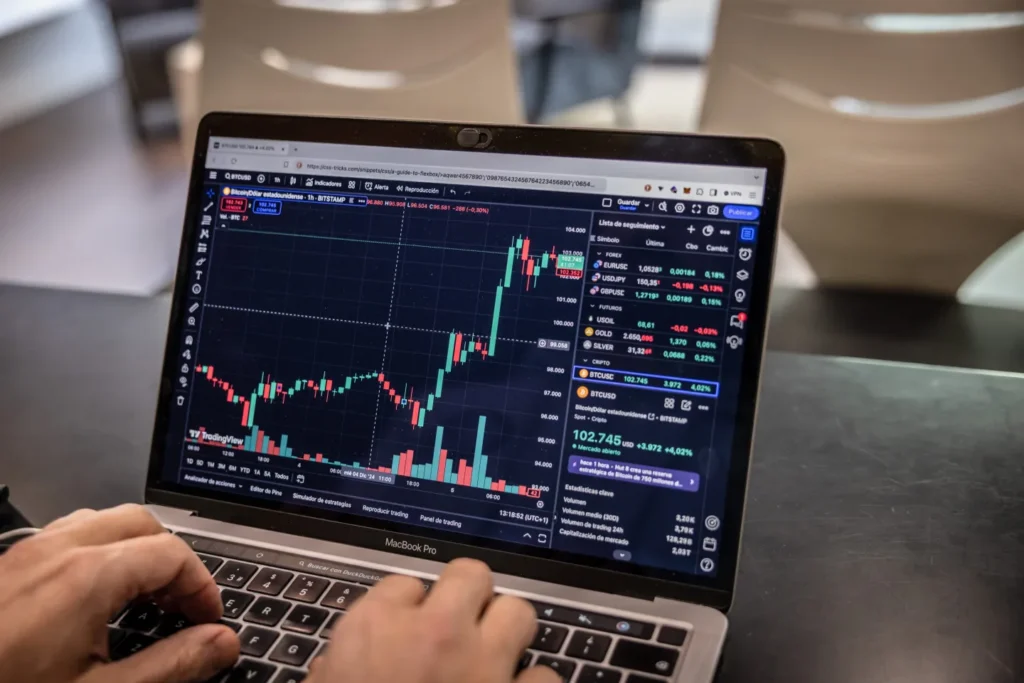
1. The Core Data Blueprint: The Metrics That Matter
Before diving into an advanced price chart, you must understand the foundational structural metrics that define a cryptocurrency’s size, stability, and supply dynamics. When you open a free tracking site, these are the primary data points you need to evaluate:
Market Capitalization (Market Cap)
- The Concept: The total dollar value of a cryptocurrency’s entire circulating supply. It is calculated by multiplying the current price of a single coin by its total number of active coins in circulation:$$\text{Market Cap} = \text{Current Price} \times \text{Circulating Supply}$$
- The Practical Application: Never judge a cryptocurrency solely by its unit price. A coin worth $0.01 is not automatically “cheap” or a better deal than a coin worth $100. If the $0.01 coin has trillions of tokens in circulation, its market cap could be massive, making it much harder for the price to double than a scarcer asset.
Circulating Supply vs. Fully Diluted Valuation (FDV)
- The Concept: Circulating Supply is the amount of coins currently moving around the public market. Fully Diluted Valuation (FDV) is the theoretical market cap if all possible tokens that will ever exist were minted and released into the wild.
- The Practical Application: Always check the gap between the current market cap and the FDV. If a project has only 10% of its tokens in circulation and 90% locked up to be released later, those future token unlock events will dilute the value of your tokens over time—acting like a slow anchor on the price.
24-Hour Trading Volume
- The Concept: The total dollar amount of a specific cryptocurrency bought and sold across all tracked exchanges over the last 24 hours.
- The Practical Application: Volume represents liquidity (how easily you can buy or sell an asset without drastically changing its market price). High volume means healthy, active trading. If a coin has a high price but a tiny 24-hour volume, it means almost no one is buying it, and you might get stuck unable to sell your position when you want to.
Bitcoin Dominance (BTC.D)
- The Concept: The percentage of the total crypto market cap that belongs to Bitcoin alone.
- The Practical Application: Bitcoin dictates the macro weather of the crypto ecosystem. When Bitcoin Dominance is rising sharply, it usually means money is flowing out of riskier alternative coins (“altcoins”) and into the relative safety of Bitcoin.
2. The Beginner’s Free Research Toolkit
You don’t need expensive institutional software to access world-class crypto data. As a beginner, you can gather excellent insights from completely free platforms:
- CoinGecko and CoinMarketCap: Use these daily as your primary directories. They are perfect for looking up historical price data, checking which exchanges officially list a specific token, and finding verified links to a project’s official website and whitepaper to avoid falling for google search ad scams.
- DeFiLlama: If you want to explore the world of decentralized lending, borrowing, and staking, this is your home. It tracks Total Value Locked (TVL), which shows exactly how many real dollars are deposited into a network’s smart contracts. A rising TVL is a clear sign of true user utility.
- TradingView: The gold standard for charting. As a beginner, you can use a free account to track basic price action, set up custom price alerts so you don’t have to watch the screens all day, and overlay simple visual indicators.
3. Step-by-Step Data Evaluation Checklist
When you encounter a new cryptocurrency and want to evaluate its data like an analyst, use this sequential workflow to avoid common beginner traps.
1.Verify the Contract and Links:Prerequisite.
Go to CoinGecko or CoinMarketCap and search for the asset. Copy the official smart contract address and bookmark their verified links. Scammers frequently create fake websites and clone tokens with identical names to steal funds.
2.Analyze Liquidity and Volume:Step 2.
Check the 24-hour trading volume. Ensure the daily volume is at least 1% to 5% of the total market cap. If a coin has a $10 million market cap but only $5,000 in daily trading volume, it is illiquid and highly susceptible to extreme price manipulation.
3.Check Tokenomics and Dilution Risk:Step 3.
Compare the Circulating Supply against the Max/Total Supply. Look for a circulating supply of at least 50% or higher. If the circulating supply is extremely low, look up the project’s token unlock schedule to see when large batches of tokens will hit the market.
4.Review Exchange Availability:Step 4. Crypto Data Online
Click on the “Markets” tab of the token page. See where it is traded. If a token is only available on a single, obscure decentralized exchange, it carries significantly more technical and structural risk than a token listed across multiple top-tier regulated global exchanges.

4. Fundamental Charting for Beginners
Once you understand the numbers, looking at a price chart is the next step. As a beginner, ignore complex trading patterns and focus on two fundamental concepts: Crypto Data Online /Resistance and Moving Averages.
Support and Resistance
Think of support as a floor and resistance as a ceiling:
- Support: A price level where a downtrend tends to pause due to a concentration of buying demand.
- Resistance: A price level where an uptrend tends to pause due to a concentration of selling interest.
Understanding these zones prevents you from buying at the absolute top of a local cycle (near resistance) or selling in a panic at the absolute bottom (near support).
Moving Averages (MA)
A moving average smooths out daily price volatility to show you the broader trend. The two most common moving averages for beginners are the Crypto Data Online (medium-term trend) and the 200-day MA (long-term macro trend). If the price is consistently trading above the 200-day MA, the asset is generally considered to be in a structural bull market.
5. Crucial Safeguards and Risk Management
Data is incredibly valuable, but understanding how to manage your operational risk is what keeps your funds safe in the crypto environment.
Exchange Custody vs. Self-Custody Wallets
When you buy crypto on a centralized exchange, the platform holds the keys to that crypto on their internal ledger. For beginners, this is highly convenient for initial purchases. However, for long-term storage, it is widely recommended to move funds to a self-custody Crypto Data Online (like a software app or a physical hardware wallet) where you control the private seed phrase.
The Golden Rule of Custody: “Not your keys, not your crypto.” If an exchange faces financial issues or structural failure, your assets could be frozen. True ownership means holding your own private cryptographic keys.
Protecting Your Digital Accounts
Before depositing a single dollar into a crypto platform, you must secure your accounts. Never use standard SMS-based text messaging for two-factor authentication (2FA), as scammers can perform a “SIM-swap” to hijack your phone number. Instead, always use a dedicated authenticator app or a physical security key to lock down your accounts.
6. Summary Matrix of Beginner Crypto Data Online
To wrap things up, here is a quick visual guide contrasting the two most common pathways for navigating the crypto market based on your personal goals and time commitment:
| Strategy | Time Crypto Data Online | Best Data Tools to Use | Key Focus Metric | Primary Benefit |
| Dollar-Cost Averaging (DCA) | Long-Term (Months/Years) | CoinGecko, Recurrent Buy Automation | Market Cap, Supply Cap | Eliminates timing stress and emotional trading reactions. |
| Active Trend Trading | Short-Term (Days/Weeks) | TradingView, Exchange Order Books | 24h Volume, Support/Resistance | Capitalizes on active, near-term price momentum. |
A Final Word on Hype vs. Reality: Crypto Data Online media commentary moves fast, but blockchain ledgers move on absolute logic. By anchoring your decisions in verifiable on-chain data rather than emotional crowds, you build a massive structural advantage. Start small, track your steps, and let the data guide your path.
About The Author
