
Al Aqsa Times: Israel War and Gaza Crisis Guide
The Israel war and Gaza crisis remain among the most serious humanitarian and political emergencies in the modern world. Every day, millions of people search for trusted updates, simple explanations, and factual guidance about what is happening on the ground. Therefore, Al Aqsa Times has become an important keyword for readers who want a clear understanding of the Israel war and Gaza crisis guide in one place.
Understanding the Israel War and Gaza Crisis

What the Conflict Means Today
The Israel war and Gaza crisis is not a single event. Instead, it is a long-term conflict shaped by history, politics, territory disputes, and humanitarian issues.
Furthermore, Gaza has experienced repeated cycles of violence, which have created long-lasting damage to infrastructure and civilian life. As a result, the crisis continues affecting millions of people daily.
In addition, international organizations regularly report humanitarian concerns, including food shortages, healthcare breakdown, and displacement.
Therefore, when readers follow Al Aqsa Times, they often seek simplified updates that explain both political and humanitarian realities.
Al Aqsa Times: Historical Background of the Israel-Palestine Conflict
Early Historical Context
Historically, the region known as Palestine has been home to Muslims, Christians, and Jews for centuries. However, political changes during the 20th century created tension and competing national movements.
Moreover, during the British Mandate period, increasing migration and political promises led to rising conflict between communities.
Consequently, disputes over land and governance became central to the conflict.
The 1948 Nakba and Its Impact
In 1948, the establishment of Israel led to a major historical turning point known as the Nakba, meaning “catastrophe” in Arabic.
During this period, hundreds of thousands of Palestinians were displaced from their homes. Additionally, many villages were destroyed or abandoned.
As a result, Palestinian refugee communities were created across Gaza, the West Bank, Jordan, Lebanon, and Syria.
Therefore, the Nakba remains a core issue in understanding the Gaza crisis and is frequently referenced in Al Aqsa Times coverage.
Al Aqsa Times: Gaza Crisis Overview
Humanitarian Situation in Gaza
The humanitarian situation in Gaza is extremely serious because of ongoing conflict and infrastructure damage.
Furthermore, civilians face shortages of food, clean water, electricity, and medical supplies. Hospitals often operate under extreme pressure due to high numbers of injured civilians.
Medical organizations have repeatedly warned about critical healthcare conditions and limited resources.
Al Aqsa Times: Civilian Impact
Civilians in Gaza remain the most affected group in the conflict. Moreover, many families have lost homes, relatives, and access to basic services.
Children are especially vulnerable because schools are damaged, and psychological stress is widespread.
In addition, displacement continues as families move repeatedly to find safer areas.
Displacement and Refugee Conditions
Thousands of families have been forced to leave their homes due to ongoing conflict.
Consequently, overcrowded shelters and temporary camps have become common living spaces.
Furthermore, humanitarian agencies report urgent needs for shelter, food, and healthcare support.
Al Aqsa Times: Healthcare Crisis in Gaza
Hospitals Under Pressure
Hospitals in Gaza face severe difficulties due to damaged infrastructure and shortages of essential supplies.
Moreover, medical staff often work in emergency conditions without adequate equipment.
As a result, treating injured civilians becomes extremely challenging.
Medical Shortages
There are frequent shortages of medicine, fuel, and surgical supplies.
Additionally, emergency medical response systems are overwhelmed due to continuous conflict conditions.
Therefore, humanitarian organizations continue calling for increased medical aid access.
Al Aqsa Times: Food and Water Crisis
Food Insecurity
Food insecurity is one of the most urgent issues in Gaza.
Moreover, many families struggle to access daily meals due to supply disruptions.
Consequently, malnutrition risks are increasing, especially among children.
Water Scarcity
Clean water is limited because infrastructure has been damaged.
In addition, contamination risks increase health concerns for civilians.
Therefore, water access remains a key humanitarian priority.
Al Aqsa Times: Political Background of the Crisis
Occupation and Territorial Disputes
The Israel-Palestine conflict is strongly linked to territorial disputes.
Moreover, Palestinians in the West Bank and East Jerusalem face restrictions on movement and land access.
Consequently, political tensions continue shaping daily life.
Gaza Blockade
Gaza has faced long-term restrictions on movement and trade.
As a result, economic development remains extremely limited.
Furthermore, unemployment rates are high due to restricted business activity.
Jerusalem and Al Aqsa Mosque
Jerusalem remains a highly sensitive political and religious city.
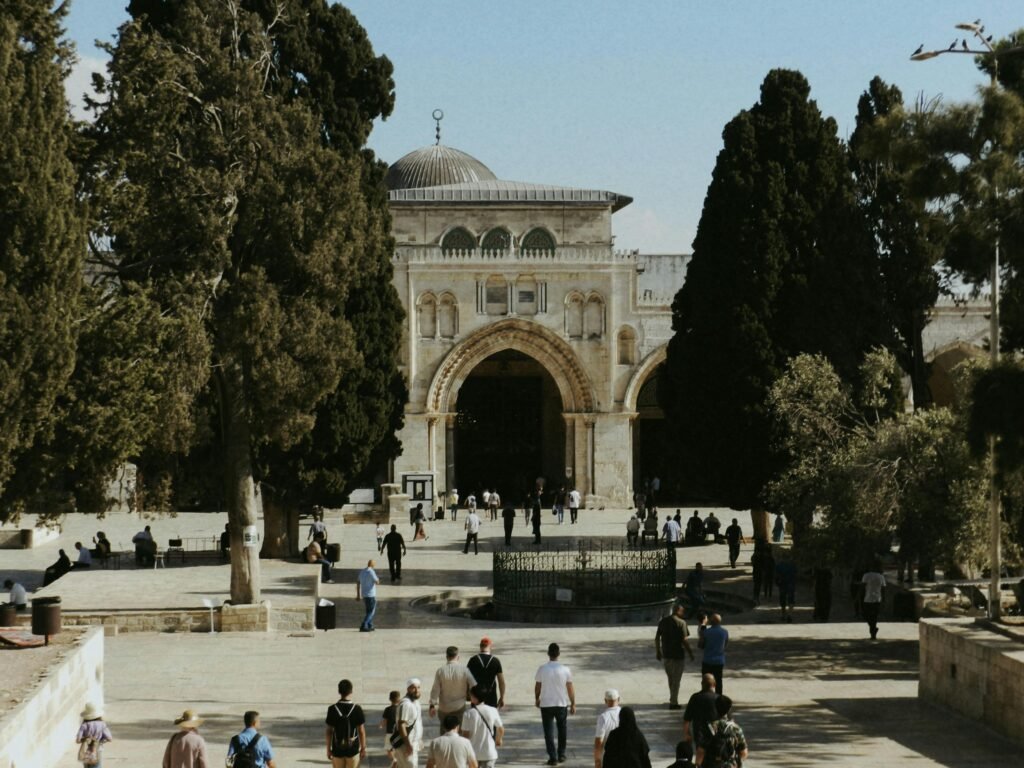
The Al Aqsa Mosque is extremely important for Muslims worldwide.
Therefore, developments in Jerusalem often increase political tensions and global reactions, which is why Al-Aqsa News frequently reports on these events.
Israel War: Key Developments
Escalation of Conflict
The Gaza war has included repeated escalations involving airstrikes and ground operations.
Moreover, these events have caused widespread destruction in civilian areas.
Consequently, humanitarian conditions continue worsening.
Ceasefire Efforts
International organizations and countries have attempted to support ceasefire agreements.
However, long-term stability has been difficult to achieve.
Therefore, conflict cycles continue affecting civilians repeatedly.
International Humanitarian Response
Humanitarian organizations provide food, medical aid, and emergency shelter support.
Additionally, aid delivery faces challenges due to security and access restrictions.
As a result, humanitarian assistance remains limited compared to growing needs.
Human Rights and Legal Perspectives
International Law Discussions
Many international legal discussions focus on civilian protection and conflict regulations.
Moreover, debates continue regarding occupation policies and settlement expansion.
Consequently, human rights remain a central issue in global discussions.
Civilian Protection Concerns
Human rights organizations emphasize the importance of protecting civilians in conflict zones.
In addition, reports highlight displacement and infrastructure destruction as major concerns.
Therefore, global attention remains focused on accountability and humanitarian law.
Media Coverage and Information Flow
Role of News Platforms
News platforms play a major role in shaping global understanding of the conflict.
Moreover, readers depend on reliable reporting to understand complex developments.
Therefore, Al Aqsa Times focuses on simplified conflict explanations and updates.
Social Media Influence
Social media has increased global awareness of the Gaza crisis.
Additionally, real-time videos and reports spread quickly across platforms.
Consequently, public engagement with the conflict has grown significantly.
Challenges in Reporting
Reporting from conflict zones is extremely difficult due to safety risks.
Furthermore, communication disruptions and infrastructure damage limit information flow.
As a result, journalists face serious challenges in delivering accurate updates.
Conclusion
The Israel war and Gaza crisis remain deeply complex and highly emotional issues affecting millions of lives. Throughout this guide, the importance of understanding historical background, humanitarian conditions, political disputes, and global reactions has been clearly explained.
Moreover, civilians continue facing severe challenges, including displacement, food shortages, medical crises, and emotional trauma. At the same time, international awareness and humanitarian support continue to grow because many people believe in justice, dignity, and human rights.
About The Author
