
The cryptocurrency market is one of the fastest-paced and data-driven financial environments in the world. Prices fluctuate rapidly, trends change within minutes, and new opportunities emerge constantly. To succeed in such a dynamic market, traders must rely on accurate insights rather than guesswork.
This is where crypto data online plays a vital role. By analyzing real-time and historical data, traders can understand market behavior, identify trends, and make smarter decisions. Whether you are a beginner or an experienced trader, learning the best ways to analyze markets using crypto data online is essential for long-term success.
In this SEO-friendly guide, we will explore the most effective strategies and techniques to analyze crypto markets using online data tools.
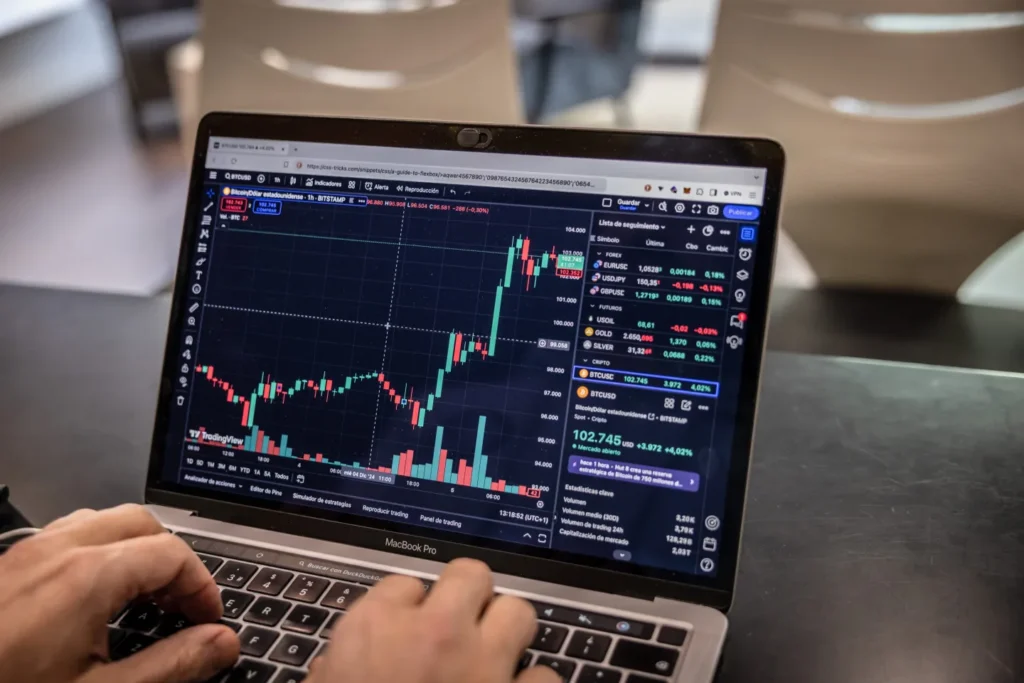
What Is Crypto Market Analysis?
Crypto market analysis involves studying data to predict price movements and market trends. It helps traders decide when to buy, sell, or hold assets.
There are three main types of analysis:
- Technical Analysis – Focuses on charts and indicators
- Fundamental Analysis – Evaluates the value of a project
- Sentiment Analysis – Measures market emotions
Using crypto data online supports all three methods, making analysis more accurate and reliable.
Why Crypto Data Online Is Important
The crypto market operates 24/7, unlike traditional markets. This makes real-time data essential.
Benefits include:
- Instant updates on price movements
- Early trend detection
- Better decision-making
- Reduced risks
- Improved trading performance
Without real-time data, traders may miss opportunities or make decisions based on outdated information.
1. Analyze Real-Time Price Movements
The first step in market analysis is tracking live prices.
Crypto data platforms allow traders to:
- Monitor price changes instantly
- Identify sudden spikes or drops
- Detect breakout opportunities
Real-time price tracking ensures you stay updated with current market conditions.
2. Study Trading Volume
Trading volume is a key indicator of market strength.
Volume analysis helps:
- Confirm trends
- Identify strong or weak movements
- Detect potential reversals
For example, a price increase with high volume indicates strong buying interest.

3. Use Technical Indicators
Technical indicators are essential tools for analyzing crypto data.
Popular indicators include:
- Moving Averages (MA)
- Relative Strength Index (RSI)
- MACD
These indicators help traders identify trends and predict future price movements.
4. Read and Interpret Charts
Charts provide a visual representation of market data.
Common chart types:
- Line charts
- Bar charts
- Candlestick charts
Candlestick charts are the most widely used because they show detailed price information, including open, close, high, and low values.
5. Identify Market Trends
Trend analysis is a key part of market analysis.
There are three types of trends:
- Uptrend – rising prices
- Downtrend – falling prices
- Sideways – stable prices
Trading in the direction of the trend increases the chances of success.
6. Find Support and Resistance Levels
Support and resistance levels are critical for decision-making.
- Support – price level where demand increases
- Resistance – price level where selling pressure increases
These levels help traders plan entry and exit points.
7. Use On-Chain Data Analysis
On-chain data provides insights directly from blockchain activity.
Important metrics include:
- Transaction volume
- Active addresses
- Whale activity
On-chain data helps traders understand real market behavior beyond price charts.
8. Analyze Market Sentiment
Market sentiment reflects the emotions of traders.
It is influenced by:
- News and media
- Social media trends
- Economic events
Positive sentiment can drive prices up, while negative sentiment can cause declines.
9. Compare Data Across Exchanges
Prices can vary slightly between exchanges.
Comparing data helps traders:
- Find better entry points
- Identify arbitrage opportunities
- Ensure accurate pricing
Using multiple sources improves reliability.
10. Combine Multiple Data Points
Successful traders use a combination of data.
This includes:
- Price data
- Volume
- Indicators
- Sentiment
- On-chain metrics
Combining these factors provides a more complete market view.
11. Set Alerts for Market Changes
Crypto markets move quickly, so alerts are essential.
You can set alerts for:
- Price levels
- Volume spikes
- Trend changes
Alerts help traders react quickly without constantly monitoring the market.
12. Apply Risk Management
Risk management is crucial for long-term success.
Strategies include:
- Using stop-loss orders
- Limiting position sizes
- Diversifying investments
Crypto data helps identify safe entry and exit points.
13. Learn from Historical Data
Historical data helps traders understand past market behavior.
By analyzing previous trends, traders can:
- Identify patterns
- Predict future movements
- Improve strategies
Combining historical and real-time data increases accuracy.
14. Avoid Emotional Trading
Emotions can negatively impact trading decisions.
Fear and greed often lead to mistakes.
Using crypto data online helps traders stay objective and focused on facts.
15. Use Automated Tools and Bots
Automation is becoming popular in crypto trading.
Automated tools can:
- Execute trades based on data
- Monitor markets 24/7
- Reduce emotional decision-making
These tools rely heavily on accurate data for effectiveness.
16. Build a Consistent Analysis Routine
Consistency is key in market analysis.
A daily routine may include:
- Checking price movements
- Reviewing charts
- Monitoring news
- Analyzing trends
Regular analysis improves skills over time.
17. Avoid Information Overload
Too much data can be overwhelming.
Focus on key metrics:
- Price
- Volume
- Trends
Keeping analysis simple improves clarity.
18. Choose the Right Tools
Using the right tools is essential for effective analysis.
Look for platforms that offer:
- Real-time data
- Advanced charts
- Reliable information
The right tools make analysis easier and more accurate.
19. Practice with Small Trades
Beginners should start with small investments.
This helps:
- Gain experience
- Test strategies
- Reduce risk
Practice is essential for improvement.
20. Keep Learning and Improving
The crypto market is constantly evolving.
Successful traders:
- Learn new strategies
- Test different tools
- Adapt to market changes
Continuous learning is key to long-term success.
Common Mistakes to Avoid
Even experienced traders make mistakes.
Avoid these common errors:
- Relying only on price data
- Ignoring volume
- Overtrading
- Following hype
- Making emotional decisions
Avoiding mistakes improves trading performance.
Building a Data-Driven Strategy
A strong trading strategy includes:
- Monitoring real-time data
- Identifying trends
- Using indicators
- Managing risk
- Reviewing performance
A disciplined approach leads to consistent results.
The Future of Crypto Market Analysis
Crypto analysis is evolving with new technologies.
Future trends include:
- AI-powered analytics
- Machine learning predictions
- Advanced blockchain insights
These innovations will make market analysis more efficient.
Final Thoughts
Using crypto data online to analyze markets is essential for making smart trading decisions. It helps traders understand trends, identify opportunities, and reduce risks.
By combining real-time data, technical indicators, and market sentiment, traders can build strong strategies and improve their performance.
In the fast-moving crypto market, those who use data effectively gain a powerful advantage—and increase their chances of long-term success. 🚀
About The Author
