
Iran News: Exclusive Iran-Israel War Insights
Today’s Iran News reveals detailed and evolving insights into the ongoing Iran‑Israel war, one of the most powerful military conflicts in the Middle East in recent history. This crisis involves direct military action, complex diplomacy, and far‑reaching global consequences. The involvement of the United States has expanded the conflict, making it a major issue in world affairs.
Iran News: The Long History Behind the Iran‑Israel War
Origins of the Geopolitical Rivalry
Although the current conflict might seem sudden to some today, the rivalry between Iran and Israel has long roots in Middle Eastern politics. After the 1979 Iranian Revolution, Iran adopted a political identity strongly opposed to the state of Israel, leading to recurring regional tensions that have sometimes played out through allied proxy groups and indirect engagements.
These underlying tensions, combined with disputes about nuclear capabilities and influence in the region, laid the groundwork for the recent armed confrontation that dominates today’s Iran News.
Escalation Into Direct Battle in 2026
The latest and most serious phase of conflict began on 28 February 2026, when coordinated airstrikes by the United States and Israel struck targets in Iran, including major military and strategic infrastructure. These attacks marked a dramatic escalation from years of proxy confrontations into direct wartime hostilities.
In response, Iran launched missiles and drones toward Israeli territory and U.S. military bases in the region. This military exchange rapidly intensified and pushed the crisis into global view.
Key Military Developments in the Iran‑Israel War
Joint U.S.‑Israel Airstrikes on Iran
In the early phase of the conflict, the United States and Israeli forces conducted intensive bombardments of military targets in Iran. These operations targeted nuclear sites, missile facilities, and command centers, including sites near major cities.
Satellite imagery later showed extensive damage to Iranian defense infrastructure, including missile and drone launch sites that had supported Tehran’s regional power projection.
Although these strikes were intended to weaken Iran’s military capacity, they also drew strong condemnation and sparked retaliatory action from Iranian forces.
Iran News: Iranian Missile and Drone Retaliation
Iran responded swiftly to the initial offensive by launching waves of ballistic missiles and drones at Israeli territory and U.S. military positions. These strikes caused civilian injuries and damaged infrastructure in several locations inside Israel, showing how quickly the conflict expanded beyond initial targets.
Despite Israel’s advanced missile defense systems, Iranian attacks reached multiple cities and required ongoing alerts and shelter warnings for the public, signaling how serious the retaliation was.
Regional Spread of Hostilities
Beyond the immediate Iran‑Israel battlefield, the war has seen attacks and tensions involving other states. According to verified sources, various strikes have threatened or engaged locations in Bahrain, Kuwait, Qatar, the United Arab Emirates, Jordan, Syria, and Iraq, reflecting the broader instability in the Middle East.
Although not all reported incidents were officially confirmed by governments, the pattern demonstrates how the conflict’s effects radiated across the region.
Ceasefire Diplomacy and Short‑Term Truces
Recent Two‑Week Ceasefire Agreement
In early April 2026, amid mounting pressure and urgent diplomatic efforts, Iran and the United States agreed to a two‑week ceasefire that also involved Israel’s tactical pause. Under this arrangement, Iran reopened the Strait of Hormuz, which is vital for global oil transport, and the immediate risk of further escalated attacks lessened temporarily.
This diplomatic breakthrough came ahead of threatening deadlines and represents an important, if fragile, first step toward de‑escalation. However, both sides have emphasized that the ceasefire is provisional and that deeper talks will be needed for lasting peace.
Mediation by Regional Nations
Countries such as Pakistan, Turkey, and Egypt have emerged as significant mediators in the efforts to negotiate peace and reduce tensions. These nations used their unique diplomatic channels with Tehran and Washington to help create space for dialogue and diplomatic engagement.
Although these mediation efforts are ongoing, they reflect a growing recognition among regional powers that uninterrupted conflict would harm all nations involved.
Iran News: Impact of the War on Civilians and Society
Disruptions to Daily Life and Infrastructure
The war has heavily impacted civilian life across both Iran and Israel. Iranian state media reported power outages in major cities following attacks on energy facilities, and residents experienced air raid alerts that disrupted restaurants, schools, hospitals, and businesses.
In Israel, missile interceptions and defensive preparations affected transportation, schooling, and public services, highlighting how modern warfare reaches far beyond traditional battlefields.
Evacuations and Travel Disruptions
The conflict also caused major disruptions to travel and logistics. Huge numbers of flights were canceled across the Middle East, including major airports in key transit hubs, stranding travelers and forcing nations to organize evacuations for their citizens.
Many governments worked to repatriate hundreds of thousands of stranded citizens amid airspace closures and elevated risk, emphasizing the widespread disruption of civil life.
Humanitarian and Global Economic Impacts
Strait of Hormuz and Global Energy Markets
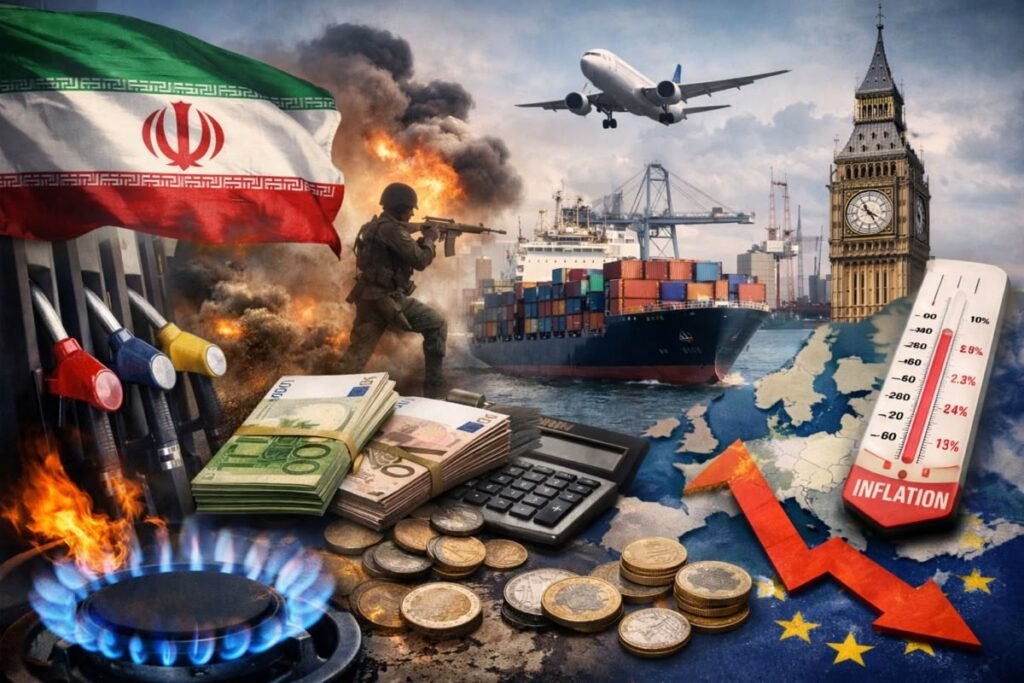
One of the major concerns of Iran News in this period has been the status of the Strait of Hormuz, a crucial channel for world oil shipments. Temporary agreements to keep the strait open helped lower international oil prices briefly, easing market strain.
However, analysts warn that sustained conflict could continue to affect energy security, raising costs for consumers and complicating global economic recovery.
Business and Trade Disruption
In addition to energy, the conflict has affected global business operations, particularly in travel, trade logistics, insurance, and manufacturing supply chains. With airspace closures and heightened security risks, many companies have reassessed operations in and around the Middle East, leading to longer transport times and increased costs.
These disruptions underscore how regional wars can have far‑reaching economic consequences beyond immediate conflict zones.
Political Narratives and Global Reactions

Iran’s Government Messaging
Iranian officials have emphasized national resilience, describing the ceasefire as evidence of Iran’s capacity to defend its sovereignty even against powerful adversaries. Iranian media widely framed this phase of the conflict as a strategic success and portrayed the war as a defense of national dignity.
This messaging reflects domestic political priorities and influences public perception within the country.
U.S. and Israeli Positions
On the other side, U.S. and Israeli leaders have argued that decisive military pressure was necessary to avert what they describe as serious security threats from Iran’s regional policies and nuclear ambitions. According to some officials, this action is intended to weaken Iran’s offensive capabilities long-term and prevent future attacks.
Nonetheless, critics in and outside both countries have cautioned against continued escalation and have called for increased diplomatic engagement to avoid further loss of life and broader regional instability.
Military Capabilities and Strategic Assessments
Iran’s Defensive and Offensive Operations
Iran’s military has proven able to withstand and respond to advanced air campaigns, including the use of both ballistic missiles and drones in strategic counterattacks. Some analysts note that despite extensive bombardments, many of Iran’s missile launchers and drone capacities remain operational, challenging narratives of quick military collapse.
Moreover, Iran’s defense strategy has evolved to maximize impact through precision strikes and adaptive tactics, contributing to a more complex ongoing conflict than originally expected.
Israeli and U.S. Military Strategy
U.S. and Israeli forces employed extensive airpower and precision targeting aimed at crippling military infrastructure and reducing Iran’s ability to wage extended warfare. However, sustained operations have highlighted challenges related to logistics, ammunition supply, and the need to balance military goals with civilian protection protocols.
These factors continue to shape military decision‑making on both sides.
Human Rights and Civilian Safety Concerns
Protection of Civilians in War
As modern conflicts unfold, global institutions repeatedly emphasize the importance of protecting civilians under international law. Reports of power outages, essential facility hits, and residential damage have drawn concern from humanitarian organizations, which call on all parties to minimize civilian harm and uphold legal standards even amid intense conflict.
This humanitarian dimension remains a central theme in Iran News reporting and global diplomatic discourse.
Future Prospects: War, Diplomacy, and Peace
Fragile Peace or Renewed Hostilities?
The current ceasefire and diplomatic initiatives offer hope for reduced hostilities. Yet, military leaders on all sides acknowledge that the underlying strategic disagreements are not fully resolved. Some analysts argue that without sustainable diplomatic solutions, hostilities could resume once temporary agreements expire.
Thus, the future remains uncertain.
Diplomacy and Long‑Term Stability
Many world leaders and international organizations advocate for continued diplomatic engagement, confidence‑building measures, and negotiated solutions that address security concerns while protecting civilian welfare.
Conclusion
Iran News today reveals an intricate and powerful conflict that has shaped the Middle East, impacted global economics, and drawn worldwide attention. From military strategy and battlefield developments to diplomacy and humanitarian consequences, this war reflects a deeply complex geopolitical crisis.
While ceasefire agreements and diplomatic efforts offer short‑term relief, the long‑term resolution of tensions between Iran and Israel — especially with major powers involved — remains uncertain.
About The Author
