
Iran News: Bold Analysis of Iran War Strategy
Iran News today is dominated by the unfolding conflict between Iran, the United States, and Israel. This war reflects far‑reaching geopolitical tensions with roots in history, military strategy, and international relations. As the situation continues to evolve, understanding Iran’s war strategy has become essential for anyone following global affairs.
Therefore, this deep analysis explores Iran’s strategic goals, military responses, escalation tactics, and long‑term implications. The aim is to present clear insight into why Iran acts as it does, how its strategy compares to others, and what consequences are emerging from the conflict.
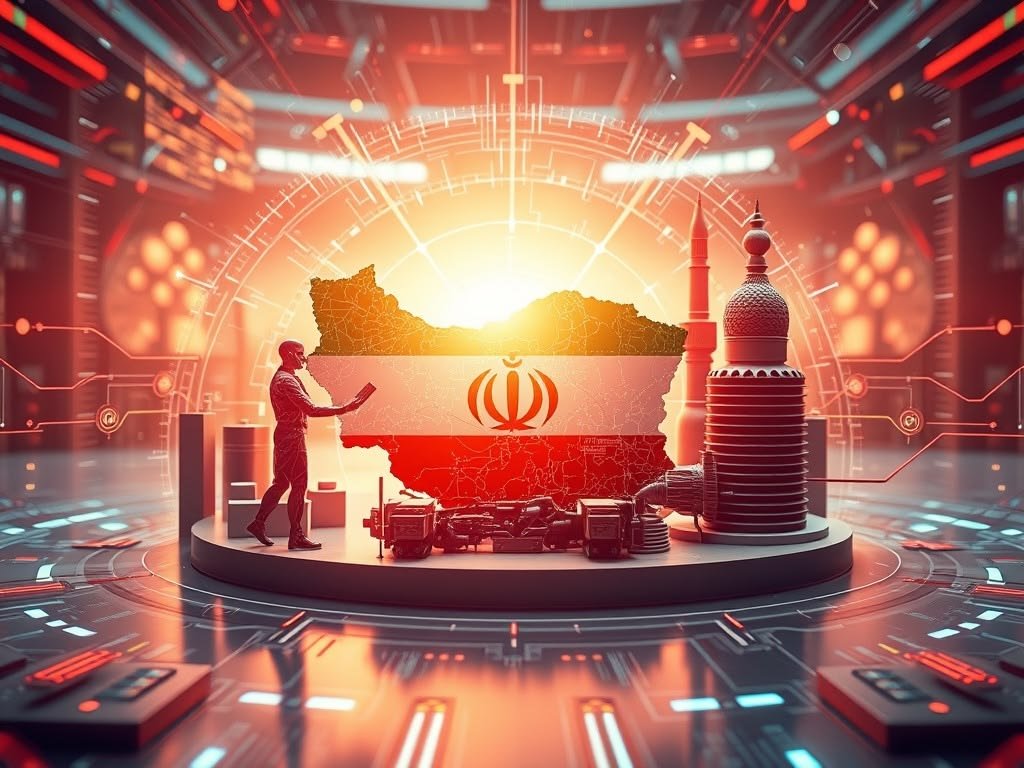
Iran News: Historical and Strategic Context Behind Iran News
The Origins of the Iran Conflict
The current conflict stems from decades of political tension. Historically, after the Iranian Revolution of 1979, Iran shifted from a monarchy allied with the West to an Islamic Republic that pursued regional influence through ideological, military, and diplomatic networks.
This long pattern of rivalry grew particularly intense over issues such as Iran’s nuclear ambitions, ballistic missile development, and support for allied militias across the Middle East.
Because this history is so intertwined with Iran’s identity and regional role, Iran News often focuses on how past decisions shape current actions.
Iran News: The Latest Military Strategy by Iran — A Broad Overview
Iran’s Core Strategic Goals
Iran’s war strategy is built around three central principles:
- Survival and regime resilience. Iran seeks to endure sustained pressure and prevent collapse under significant military force.
- Escalation‑based deterrence. Iran employs escalating retaliation to raise the costs of continued military action from the United States and Israel.
- Control of strategic chokepoints. By influencing key global infrastructure — especially the Strait of Hormuz — Iran attempts to leverage its position to negotiate from strength rather than weakness.
The strategic goal is not merely battlefield success but political leverage and deterrence.
Iran’s Escalation Strategy: “Eye for an Eye”
Iran’s response to external strikes has often been immediate and expansive. Instead of restraint, Iran’s approach quickly escalated beyond pure military targets to include critical infrastructure and regional centers. This represents a departure from more measured responses in previous decades.
For example, Iran’s reprisal raids have included not only missile strikes on military bases but assaults on energy infrastructure and even civilian‑linked installations in nearby Gulf states. This tactic shows Iran’s willingness to impose broader costs and force others to reconsider military escalation.
Moreover, this expansion of targets has created a cycle where every attack generates retaliation, raising the risk of unplanned escalation.
Iran News: Military Dimensions — How Iran Fights
Drone and Missile Warfare
Iran’s use of drones and ballistic missiles has been a hallmark of its current strategy. These systems allow Tehran to maintain pressure against adversary forces while minimizing its dependence on larger, conventional troops, which could be more easily targeted.
This tactic reflects Iran’s heavy investment in asymmetric warfare capabilities — systems that can strike at long range, often unpredictably, and without requiring traditional ground forces.
In contrast, the United States and Israel emphasize air power and technological superiority. Their strategy focuses on destroying Iranian missile launchers, command centers, and air defenses.
Cyber and Electronic Warfare Fronts
Modern conflicts are no longer limited to physical battlefields. Cyber operations have now become integrated into Iran’s war strategy as well.
Iran uses cyberattacks to disrupt communications, target critical infrastructure, and erode the digital capabilities of its opponents. As the conflict progresses, cyber warfare is increasingly synchronized with missile and drone strikes, making the battlefield both physical and virtual.
Strait of Hormuz: The Strategic Chokepoint
One of the most critical elements of Iran’s war strategy involves control and influence over the Strait of Hormuz — a waterway through which roughly one‑fifth of global oil shipments pass.
By threatening or disrupting shipping through the strait, Iran gains significant geopolitical leverage. Control of this marine passage creates global economic pressure that goes beyond the battlefield, affecting fuel prices, supply chains, and diplomatic alignments.
This form of strategic leverage demonstrates Iran’s recognition of power in economic disruption, not merely military confrontation.
Iran News: Escalation Dynamics and Pragmatic Deterrence
From Tactical Defense to Regional Escalation
Iran’s strategy has shifted from pure defensive reactions to broader escalation. Rather than limiting strikes to Israel or U.S. positions, Tehran has expanded its actions geographically, including strikes on allied Gulf states’ infrastructure and assets.
This pattern reflects both retaliation and strategic calculus: by widening the conflict, Iran increases the difficulty for its adversaries to ignore its concerns. Such escalation raises global costs and keeps diplomatic options open while maintaining a deterrent posture.
The Costs and Risks of Escalation
Despite its broad goals, escalation is risky. Iran’s actions have led to:
- Disruption of international shipping through the Strait of Hormuz.
- Increased global energy prices and economic volatility.
- Heightened instability across neighboring countries.
- Pressure on U.S. alliances in the Gulf region.
These outcomes show that escalation has not only local but global effects, influencing energy markets, supply chains, and diplomatic movements far beyond the battlefield.
Iran News: Iran’s Political and Diplomatic Maneuvers

Domestic Political Realities
Iran’s war strategy is influenced by internal political structures. The Iranian leadership combines religious authority with state institutions, which sometimes leads to unified public posturing even during setbacks.
Because national survival is central to Iranian strategic thinking, domestic politics often reinforce Tehran’s external stances — making compromise a more complex process.
Negotiations and Peace Efforts
Despite fierce conflict, there are ongoing attempts to explore negotiation paths. However, Iran has often rejected propositions it sees as weakening its sovereignty or failing to meet its key conditions, such as guarantees on border security and recognition of its regional influence.
In some recent discussions, Tehran declined negotiation terms that failed to acknowledge its strategic demands, underscoring how Iran combines military resistance with political calculations. (Multiple analytical reports suggest diplomacy has been overshadowed by strategic objectives.)
Who Gains and Who Loses in the Current Iran War Strategy?
Assessing Military Gains and Losses
According to expert analysis, visible metrics on the battlefield indicate uneven progress:
- United States and Israel have degraded significant Iranian missile infrastructure and command systems.
- Iran has sustained its military capabilities while expanding conflict to indirect theaters.
However, success is not only about battlefield wins. Tehran’s approach includes creating strategic challenges for the United States and its allies, which has partly succeeded as global repercussions emerge.
Global Repercussions and Alliances
Iran’s strategy has produced global consequences:
- Disrupted international trade and energy markets.
- Strained regional alliances and diplomatic tensions.
- Pressure on global powers to choose sides or mediate.
Countries outside the conflict — such as Egypt, Turkey, and Pakistan — have been involved in diplomatic efforts to reduce tensions and facilitate solutions. These alignments show how Iran’s strategy influences more than just the three main combatants.
Future Scenarios and Strategic Trajectories
Possible Paths Forward
Experts outline several potential outcomes in this war:
- Ceasefire and negotiated settlement.
- Protracted stalemate with periodic flare‑ups.
- Extended regional conflict with shifting alliances.
None of these outcomes is certain, but all reflect the fact that military victory alone is unlikely because the strategic goals are political and economic as much as military.
Additionally, insights from global analysts suggest conflict may evolve into greater emphasis on diplomacy and economic pressure if battlefield conditions remain inconclusive.
Conclusion
Understanding Iran News and Iran’s war strategy reveals a larger picture of how military conflict, political goals, and geopolitical leverage intersect. Iran’s approach is not limited to battlefield actions; it involves strategic use of geography, escalation patterns, and deep domestic resolve.
Meanwhile, Iran News its adversaries employ high‑tech military force and international alliances to weaken Iran’s capabilities, yet the conflict continues to challenge stability and global economic order.
About The Author
